Best Patient Room Lighting Solutions for Healthcare Facilities?
In the realm of healthcare, effective patient room lighting is crucial for both patient comfort and recovery. Dr. Emily Johnson, a leading expert in healthcare design, emphasizes, "Proper lighting can significantly impact a patient's mood and healing process." This highlights the importance of thoughtful lighting solutions in medical facilities.
Patient room lighting must cater to various needs. Brightness levels can influence alertness, while softer lighting promotes relaxation. However, achieving the right balance is often challenging. Many healthcare facilities struggle to implement ideal lighting, which can lead to stressful environments for both patients and staff.
Innovative lighting solutions are emerging. These range from adjustable LED systems to nature-inspired designs that mimic daylight. Such advancements are promising, yet the application in real-world scenarios often requires further experimentation and reevaluation. As we explore the best patient room lighting solutions, we focus on practical insights to enhance the healing environment.
Best Patient Room Lighting Solutions for Healthcare Facilities
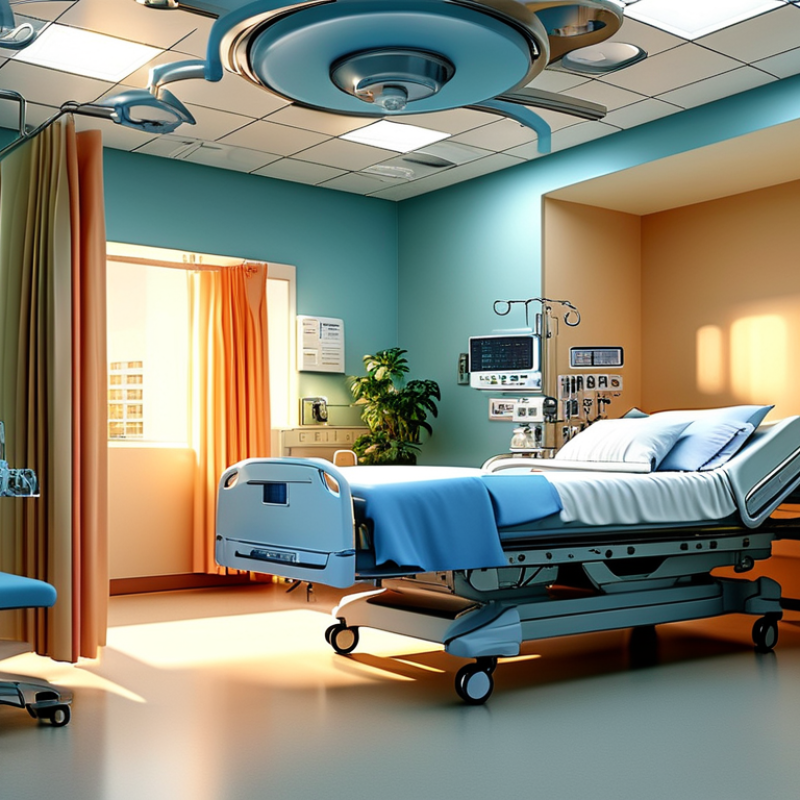
Lighting plays a critical role in patient recovery and comfort in healthcare facilities. Research indicates that appropriate lighting can reduce patient anxiety and improve overall well-being. A 2021 report by the Healthcare Design Magazine reveals that integrated lighting solutions can enhance not just the mood but also the healing process for patients.
Natural light is particularly vital in patient rooms. Facilities with windows that allow adequate sunlight exposure show improved patient satisfaction scores. Studies suggest that environments bathed in natural light can decrease the length of hospital stays by as much as 20%. Moreover, adjustable LED lights that mimic daylight cycles are beneficial, particularly for patients in long-term care situations. However, despite these advancements, many healthcare facilities still rely on outdated lighting infrastructure, which can negatively impact patient experiences.
The balance between functionality and comfort is a challenge. While some facilities prioritize cost-saving measures, the long-term benefits of investing in proper lighting cannot be overlooked. Thoughtful design of lighting can facilitate better circadian rhythms, promote restful sleep, and ultimately lead to swifter recoveries. Hospitals must evolve and rethink their approach to lighting, as it directly affects patient outcomes and satisfaction.
Best Patient Room Lighting Solutions for Healthcare Facilities
| Lighting Type |
Features |
Benefits |
Energy Efficiency |
| LED Panels |
Uniform light distribution, dimmable options |
Enhances patient comfort, reduces glare |
Highly efficient, long lifespan |
| Incandescent Lights |
Warm light, easy to install |
Creates a cozy atmosphere |
Less energy efficient than LEDs |
| Wall Mounted Fixtures |
Adjustable angles, stylish designs |
Space-saving, aesthetic appeal |
Varies by fixture type |
| Task Lighting |
Focused light, customizable brightness |
Supports medical tasks, reduces eye strain |
Can be energy efficient with LEDs |
| Natural Light Solutions |
Large windows, skylights |
Improves mood, reduces depression |
No energy consumption during daylight |
Understanding the Importance of Lighting in Patient Care Environments
Lighting plays a crucial role in patient care environments. Studies have shown that proper lighting can significantly impact patient outcomes. According to the Healthcare Lighting Report, well-lit spaces can reduce recovery time by 30%. Natural light is especially beneficial, as it aids in regulating circadian rhythms. Many healthcare facilities are now recognizing the need for adaptive lighting solutions.
The psychological effects of lighting are profound. Harsh fluorescent lights can increase anxiety levels among patients. A 2020 survey indicated that 70% of patients preferred warm lighting in their rooms. Not only does it create a comforting atmosphere, but it also positively influences mood. Ambient lighting should not be overlooked; it enhances visibility without inducing discomfort.
Despite these insights, many healthcare facilities still struggle with outdated lighting systems. Some environments are poorly designed, lacking flexibility in light settings. This can lead to challenges in patient care and could potentially increase stress levels. The challenge lies in balancing energy efficiency while meeting patient needs for comfort and care. Upgrading lighting solutions should not just be about aesthetics; it’s about creating a healing environment.
Best Patient Room Lighting Solutions for Healthcare Facilities
This bar chart illustrates the effectiveness of various lighting types used in patient care environments. The data reflects the average patient satisfaction ratings based on different lighting solutions implemented in healthcare facilities.
Key Types of Lighting Used in Healthcare: Ambient, Task, and Accent
Lighting plays a crucial role in healthcare facilities. Proper lighting solutions enhance patient comfort and staff efficiency. A study from the Center for Health Design reveals that ineffective lighting can cause stress and hinder recovery. This highlights the need for strategic lighting design, focusing on three key types: ambient, task, and accent lighting.
Ambient lighting provides general illumination. It creates a comfortable atmosphere, guiding patients safely throughout the facility. LED fixtures are popular for their energy efficiency and long lifespan. Task lighting, on the other hand, targets specific areas. In exam rooms, adjustable fixtures help healthcare providers focus on patient needs. Research shows that adequate task lighting can improve medical staff performance by up to 30%.
Accent lighting adds a layer of detail. This type of lighting highlights artwork or important features, contributing to a calming environment. According to the National Institute of Health, visual interest can reduce anxiety and enhance the overall patient experience. However, too much accent lighting can feel harsh. Balancing these elements is essential. Overall, an understanding of these lighting types can significantly impact patient outcomes and staff satisfaction.
The Role of Circadian Lighting in Enhancing Patient Recovery Rates
Circadian lighting plays a crucial role in healthcare settings, particularly in patient rooms. It mimics natural light, supporting the body's internal clock. This rhythm influences sleep, mood, and overall health. Research indicates that proper lighting can enhance recovery rates significantly.
Incorporating daylight-simulating fixtures can create a calming environment. Different color temperatures can be adjusted throughout the day. Cooler tones in the morning boost alertness, while warmer hues in the evening encourage relaxation. However, many facilities still rely on fluorescent lights, which may disrupt the natural cycle.
The impact of circadian lighting should not be underestimated. Poor lighting can lead to confusion and stress, especially in patients with cognitive issues. Medical professionals need to prioritize lighting design, but it often gets overlooked. Facilities should continuously evaluate their lighting strategies to ensure they align with best practices for patient well-being.
Evaluating Energy Efficiency and Cost-Effectiveness of Lighting Systems
Choosing the right lighting for patient rooms is crucial. Effective lighting influences
patient comfort and staff efficiency. Energy efficiency is a top concern for healthcare
facilities. Traditional lighting systems often consume high levels of energy, leading to
increased operational costs.
LED technology offers a viable alternative. It provides bright, adjustable light while using
less energy. This efficiency can lead to significant savings over time. For instance,
hospitals have reported up to a 60% reduction in energy costs after switching to LED
solutions. However, it is essential to assess the initial installation costs versus
long-term savings.
Creating a calming atmosphere is also important. Soft lighting can enhance patient recovery,
but it should not compromise functionality. Balancing energy efficiency with adequate
illumination for medical tasks is challenging. Facilities should consider staff feedback on
lighting needs. Regular evaluations of the systems in place will help refine choices and
ensure optimal conditions for patients and healthcare workers.
Conclusion
Effective patient room lighting is crucial for enhancing care environments within healthcare facilities. This involves understanding the different types of lighting—ambient for overall illumination, task lighting for specific activities, and accent lighting for aesthetic appeal. The integration of circadian lighting, which supports natural rhythms, has been shown to significantly improve patient recovery rates.
Moreover, evaluating energy efficiency and cost-effectiveness of various lighting systems is essential for sustainable operations. Implementing smart lighting technologies not only optimizes the lighting experience but also contributes to operational efficiency in hospitals. By focusing on these aspects of patient room lighting, healthcare providers can create a supportive environment for patient healing and well-being.