Top Medical Equipment Consulting Strategies for Global Buyers?
In the realm of global healthcare, the importance of effective medical equipment consulting cannot be overstated. Dr. Emma Collins, a leading expert in medical device strategies, states, "The right consulting approach can significantly reduce costs and improve patient outcomes." As hospitals and clinics worldwide seek to optimize their resources, the need for specialized guidance in selecting and implementing medical technologies is crucial.
Medical equipment consulting involves navigating complex regulations and understanding market trends. Global buyers often face challenges in identifying reliable suppliers and ensuring compliance. Each decision can impact both financial investment and patient care. Awareness of these intricacies allows healthcare organizations to make informed choices.
However, the consulting process is not without its flaws. Miscommunication and lack of transparency can hinder the effectiveness of consultations. Buyers might find it challenging to evaluate different consulting firms. Reflection on these issues is necessary to enhance the overall experience and outcomes in medical equipment consulting.

Understanding the Global Medical Equipment Market Landscape
The global medical equipment market is a complex ecosystem, shaped by ever-evolving technology and healthcare needs. According to a recent report by Grand View Research, the market is projected to reach USD 659.5 billion by 2027, growing at a CAGR of 5.4%. This growth indicates a rising demand for advanced medical technologies. However, understanding this landscape requires more than just numbers.
Healthcare systems worldwide are under pressure to provide high-quality care while managing costs. In 2021, healthcare expenditure reached approximately 10% of GDP in many developed nations. This statistic highlights the need for efficient medical equipment consulting. Buyers must navigate regulatory challenges, integration of new technologies, and supply chain uncertainties, particularly post-pandemic. The World Health Organization has emphasized the importance of investing in medical technologies to improve health outcomes, yet many organizations struggle with implementation.
Furthermore, as countries adapt to digital health trends, the importance of telemedicine and remote patient monitoring is undeniable. A report by Deloitte found that 87% of healthcare executives view telehealth as a permanent fixture post-COVID-19. This shift presents opportunities and challenges for buyers seeking to invest in relevant equipment. Understanding the unique needs of each market segment is crucial, as is recognizing the issues of accessibility and equity in healthcare technologies.
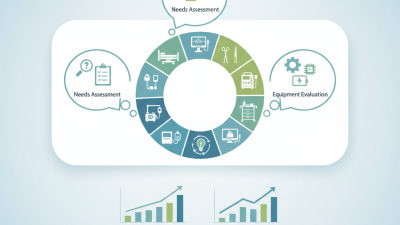
Identifying Key Consultative Strategies for Effective Procurement
In the complex world of medical equipment procurement, understanding consultative strategies is crucial. Effective procurement begins with a deep understanding of the healthcare landscape. Recent reports indicate that global healthcare spending will reach $8.3 trillion by 2025. This highlights the importance of identifying strategic partnerships that bolster procurement efforts.
One effective approach is leveraging data analytics. Data shows that organizations utilizing data-driven decision-making have seen efficiency gains of up to 35%. Analyzing market trends and equipment performance can guide buyers toward informed choices. However, many buyers overlook this step. Investing in this strategy pays dividends over time, although initial costs can be a barrier.
Building strong relationships with credible consulting firms is another key strategy. These firms bring expertise that can aid in navigating regulatory challenges. Yet, many global buyers fail to engage with qualified consultants early in the process. Understanding the regulatory landscape can mitigate risks. Ignoring expert insights may lead to costly mistakes, impacting both budget and operations. It’s crucial for buyers to align with knowledgeable partners for a successful procurement journey.
Top Medical Equipment Consulting Strategies for Global Buyers
Evaluating Supplier Reputation and Compliance Standards
Evaluating supplier reputation is vital for global buyers of medical equipment. According to industry reports, over 25% of medical equipment failures are linked to poor supplier practices. This highlights the importance of thorough assessments before partnerships are formed. Engaging with suppliers that have established a reliable track record can significantly reduce operational risks.
Compliance standards are another critical aspect. A recent study indicated that 40% of equipment recalls stem from non-compliance with international regulations. Buyers should ensure their suppliers adhere to regional and global standards. This compliance boosts not only safety but also the reliability of equipment.
Transparency in supplier practices remains a challenge. Many companies may claim compliance without providing verifiable proof. Thus, it’s essential for buyers to dig deeper into supplier histories and seek third-party audits. Collectively, these evaluations can prevent costly setbacks and ensure that medical equipment meets the highest standards of care.
Leveraging Technology for Enhanced Decision-Making in Equipment Selection
In today's fast-paced medical landscape, technology plays a crucial role in enhancing decision-making for equipment selection. Global buyers can utilize advanced tools like data analytics and machine learning algorithms. These technologies analyze vast amounts of relevant data, offering insights into equipment performance, maintenance history, and industry trends. This data-driven approach allows buyers to make informed choices tailored to their specific needs.
Software platforms dedicated to medical equipment consulting have emerged as vital resources. These platforms aggregate information from reputable sources, ensuring that data is reliable and up to date. Facilitating real-time comparisons, these tools help professionals visualize key metrics. Yet, some platforms may lack comprehensive databases, hindering the decision-making process. Buyers should remain vigilant about the limitations of these technologies.
Moreover, while technology enhances decision-making, personal experience still holds significant value. A thorough understanding of clinical environments can impact equipment choice. Consulting healthcare professionals with hands-on experience can uncover practical insights that technology might overlook. Balancing technological resources with expert opinions ensures that buyers make well-rounded decisions, optimizing resource allocation in healthcare settings.
Building Long-Term Relationships with Medical Equipment Suppliers
Building long-term relationships with medical equipment suppliers is essential for global buyers. A strong partnership can lead to better pricing, improved product quality, and enhanced service. Studies show that companies with close supplier relationships achieve a 10-15% reduction in operational costs. Trust and communication are key elements in fostering these connections.
Effective communication channels allow for seamless information exchange. Regular meetings help to address concerns and explore new product opportunities. By keeping an open dialogue, buyers can identify issues early and work collaboratively towards solutions. However, it is crucial to manage expectations. Not all suppliers will meet every requirement consistently. Flexibility is needed to adapt to challenges that may arise.
Furthermore, understanding the supplier’s business model adds another layer of depth. This insight helps buyers align their expectations and strategies. Research indicates that 80% of successful partnerships stem from a clear understanding of mutual goals and capabilities. However, reflecting on past experiences can reveal areas for improvement. An ongoing assessment of supplier performance is vital to ensure objectives are being met consistently. Balancing support and evaluation strengthens the foundations of these critical business relationships.