Top 10 Medical Equipment Installation Tips for Healthcare Facilities
In the world of healthcare, the importance of proper medical equipment installation cannot be overstated. This process goes beyond mere placement; it requires careful planning and precision. A well-installed system improves patient care and enhances the workflow within healthcare facilities. However, many overlook this critical stage, leading to future complications.
The challenges in medical equipment installation vary greatly. They can include inadequate space, poor communication among teams, and insufficient training on equipment usage. Such oversights can contribute to equipment failures and negatively impact patient safety. Addressing these issues early can lead to smoother operations and better outcomes.
Healthcare facilities must prioritize effective installation practices. This includes understanding the unique needs of each piece of equipment. It also involves ensuring that the installation team has the right expertise and knowledge. By focusing on these aspects, facilities can create a foundation for safe and reliable medical equipment operation. Ultimately, investing time in thoughtful installation is invaluable in delivering exceptional healthcare services.
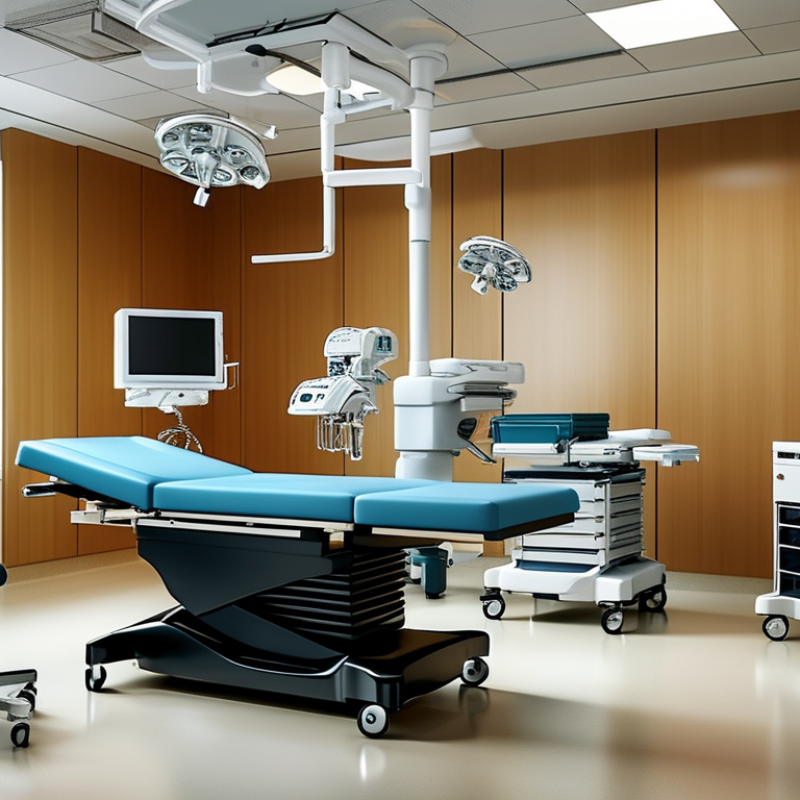
Best Practices for Surveying Space before Medical Equipment Installation
Surveys before medical equipment installation are crucial for success. Inadequate planning can lead to costly modifications. A recent report states that improper installation increases operational costs by up to 25%.
Measure the available space accurately. Providers should assess ceiling heights, floor load capacities, and door widths. Each dimension plays a role in equipment placement. For instance, bulky imaging machines may require significant room. Ignoring these factors can result in delays.
Consider the workflow too. Surveying should include staff movements and patient pathways. This improves efficiency and minimizes congestion. A well-planned layout enhances operational performance. Remember, safety must be a priority. Ensuring proper spacing helps prevent accidents. Observations from multiple facilities highlight that 80% of installation issues stem from insufficient pre-installation surveys.
Top 10 Medical Equipment Installation Tips
This chart illustrates the top 10 best practices for surveying space before medical equipment installation in healthcare facilities, highlighting important factors that impact successful installations.
Understanding Regulatory Standards for Medical Equipment in Healthcare Facilities
Understanding regulatory standards for medical equipment is crucial for healthcare facilities. Compliance is non-negotiable. Hospitals and clinics must adhere to guidelines set by governing bodies. These standards ensure patient safety and equipment reliability.
One important aspect is risk management. Facilities should identify potential hazards linked with equipment use. Regular assessments can highlight risks that might have been overlooked. Documentation needs to be thorough. Incomplete records can lead to compliance issues. Staff training also plays a significant role. Ensuring all personnel are familiar with safety protocols can help mitigate errors.
Continuous monitoring of equipment performance is vital. It’s not just about installation; ongoing evaluations are necessary. Maintenance schedules should be strictly followed. Facilities often struggle with inconsistent practices. This lack of uniformity can create vulnerabilities. Regular audits can provide insights into weaknesses in operations. Adhering to these regulations protects both patients and staff.
Essential Tools and Resources for Efficient Installation of Medical Devices
When it comes to installing medical devices, having the right tools and resources is crucial. A study published by the Journal of Healthcare Engineering indicates that improper installation can lead to workflow disruptions and patient safety issues. Hospitals must prioritize an efficient installation process to mitigate these risks.
Essential tools include multitools, levelers, and specialized brackets. High-quality medical devices often require precise installation to ensure optimal functionality. Hospitals should also train staff on the use of these tools. Without proper training, mistakes can occur, leading to costly delays. Reports indicate that nearly 30% of installation errors result from inadequate staff training.
In addition to tools, utilizing comprehensive checklists can streamline the installation process. Checklists ensure nothing is overlooked, such as verifying power sources or network connectivity. Not having a structured approach can result in oversight. A well-prepared team can enhance installation efficiency significantly. Putting thought into this phase can prevent future headaches.
Training Healthcare Staff on New Equipment: Importance and Methodologies
Training healthcare staff on new equipment is crucial for operational efficiency. When introducing advanced medical devices, it is essential that personnel understand their functionality and proper usage. Initial training sessions should be hands-on, allowing staff to interact with the equipment directly. This tactile approach fosters confidence and helps in retention.
However, training is often overlooked. Some facilities may rush through it, focusing more on installation than on education. This can lead to mistakes. For instance, improper usage of equipment can result in patient safety issues. Regular reassessment of staff skills is equally important. Short refresher courses can help maintain a high level of proficiency.
Feedback from staff during training can reveal operational gaps. Encouraging open discussions can improve the overall training process. It's not just about the equipment; it's about creating a culture of continuous learning. Effective training incorporates real-life scenarios, so staff feel better prepared for unexpected situations.
Developing a Maintenance Plan Post-Installation to Ensure Equipment Longevity
Developing a maintenance plan post-installation is crucial for ensuring the longevity of medical equipment in healthcare facilities. Regular maintenance checks can greatly reduce the risk of unexpected failures. Start by training staff on the specific needs of each device. Knowledgeable staff can identify potential issues early. Documentation of maintenance activities, including repairs and part replacements, is vital. This provides a clear history for each piece of equipment.
Incorporate scheduled inspections into the routine. Frequent checks help maintain the performance of medical devices. Inspections should include tests for accuracy and safety features. Create a checklist that staff can use during these inspections. This simple tool can enhance accountability. Paying attention to small details can prevent larger problems down the line.
Lastly, be prepared for the unexpected. No matter how reliable equipment seems, breakdowns happen. Having a contingency plan can mitigate potential disruptions in service. This plan should outline immediate steps to take when equipment malfunctions. Make sure all team members are familiar with the protocol. It’s easy to overlook these aspects, but they are essential for effective equipment management.