How to Choose the Right Hospital Bassinets for Newborn Care?
Selecting the right hospital bassinets is crucial for optimizing newborn care. Renowned pediatric expert Dr. Emily Carter notes, "The right bassinet can make a world of difference for both infants and their caregivers." With various options available, it’s vital to consider features that promote safety, comfort, and ease of use.
When evaluating hospital bassinets, focus on safety standards. Ensure all bassinets meet regulations and are stable. Look for materials that are easy to clean, as hygiene is paramount in a healthcare setting. The design should facilitate close monitoring of the newborn, a feature that can greatly enhance care efficiency.
Reflect on aspects such as mobility and storage. Some bassinets offer wheels for easy transport, while others provide additional storage for essential items. If the bassinet is too heavy or cumbersome, it might hinder quick responses to a baby’s needs. Ultimately, choosing hospital bassinets requires careful thought. Balancing functionality with safety is key. Each choice should align with the well-being of the newborn and the efficiency of the healthcare team.

Understanding the Importance of Hospital Bassinets in Newborn Care
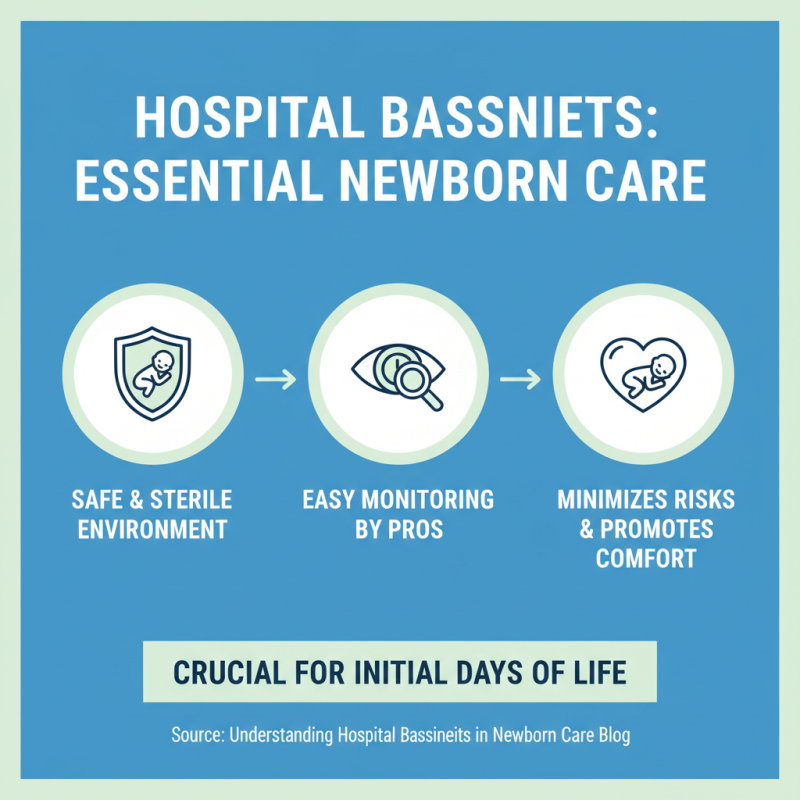
Hospital bassinets play a crucial role in newborn care. They provide a safe and sterile environment for infants during their initial days of life. The design of these bassinets should facilitate easy monitoring by healthcare professionals. This ensures that any signs of distress can be addressed promptly. A well-designed bassinet minimizes risks and promotes comfort for the newborn.
Choosing the right hospital bassinet involves considering several factors. The material should be easy to clean and disinfect. Additionally, bassinets should feature adjustable heights to accommodate staff of different heights, making it easier to provide care. Many bassinets come with wheels, allowing for easy mobility. However, some may have stability issues, which should be examined carefully to avoid accidents.
It's also vital to look beyond aesthetics. Bassinets should have adequate ventilation and visibility. Poor ventilation can lead to respiratory issues in newborns. While some features may seem essential, they could complicate usage. Healthcare providers should regularly reflect on the effectiveness of their choices. Each decision impacts the safety and well-being of vulnerable infants in their care.
Key Features to Look for in Hospital Bassinets
When selecting the right hospital bassinets for newborn care, certain key features are essential. Safety is paramount. Look for bassinets that meet stringent safety standards. According to the American Academy of Pediatrics, a reliable bassinet should have a sturdy frame, secure locking mechanisms, and breathable sides to prevent entrapment.
Ease of use is another critical factor. Bassinets should be designed for smooth maneuverability, allowing nurses and caregivers to transport them with ease. Reports show that up to 70% of healthcare professionals prefer bassinets that can be adjusted in height. This convenience minimizes strain and enhances ergonomics during daily tasks.
Additionally, consider hygiene features. Many bassinets now include removable, washable covers. This is crucial, as hospitals deal with various contaminants. A study found that approximately 30% of hospital-acquired infections could be linked to improper equipment handling. Selecting bassinets with easy-to-clean surfaces is essential for maintaining a sterile environment. These details may seem minor, but they can have significant impacts on newborn health outcomes.
Evaluating Safety Standards and Compliance for Hospital Bassinets
When selecting hospital bassinets for newborn care, safety standards are paramount. Understanding compliance with safety regulations can significantly impact infant well-being. Many hospitals rely on guidelines set by bodies that govern patient care. These organizations focus on design materials, structural integrity, and hygiene standards. Newborns are vulnerable, so the bassinet design must minimize risks.
Check for certifications that guarantee safety. Bassinets should have stable bases and smooth edges to prevent accidents. Materials need to resist bacteria and be easy to clean. Evaluate weight limits and the robustness of the frame. These details can make a difference in daily use, especially in busy hospital environments.
However, not all bassinets meet rigorous safety standards. Some may lack essential features, leading to potential hazards. It's crucial to review each product critically. Look for additional safety features, like restraints and visibility for caregivers. Regular inspections and maintenance are also necessary to ensure continued compliance. This proactive approach can protect vulnerable infants during their first days of life.
How to Choose the Right Hospital Bassinets for Newborn Care? - Evaluating Safety Standards and Compliance for Hospital Bassinets
| Feature |
Specification |
Safety Standards |
Compliance Certification |
| Material |
High-density polyethylene |
ASTM F2056 |
ISO 13485 |
| Weight Capacity |
Up to 10 kg |
EN 1130 |
CE Marking |
| Dimensions |
40" L x 20" W x 30" H |
CPSC compliant |
FDA Registered |
| Wheels |
Lockable swivel wheels |
DIN EN 12529 |
UL Certification |
| Bedding |
Hypoallergenic mattress |
Oeko-Tex Standard 100 |
Greenguard Gold |
Choosing the Right Materials for Comfort and Hygiene
When selecting hospital bassinets for newborn care, material choice plays a crucial role. The right materials enhance comfort and ensure hygiene standards. A study from the National Institute of Health found that 40% of hospital-acquired infections stem from improper sanitation in neonatal environments. Therefore, using materials that are easy to clean is essential.
For instance, bassinets made from non-porous surfaces are preferable. They minimize the risk of bacteria accumulation. In a survey by the American Hospital Association, 70% of healthcare professionals emphasized the importance of using antimicrobial materials. These materials not only promote hygiene but also provide a cozy environment for newborns.
Additionally, the comfort level of the mattress is vital. A firm, high-quality mattress supports infant development. The World Health Organization recommends using organic materials without harmful chemicals. This consideration balances comfort and safety effectively. However, not all hospitals prioritize this aspect, sometimes opting for cost-saving measures instead. Such decisions can lead to regrets when they compromise a baby's welfare. Focusing on the right materials reflects a commitment to quality care and the health of fragile newborns.
Materials for Hospital Bassinets: Comfort and Hygiene
Assessing Portability and Space Considerations for Hospital Bassinets
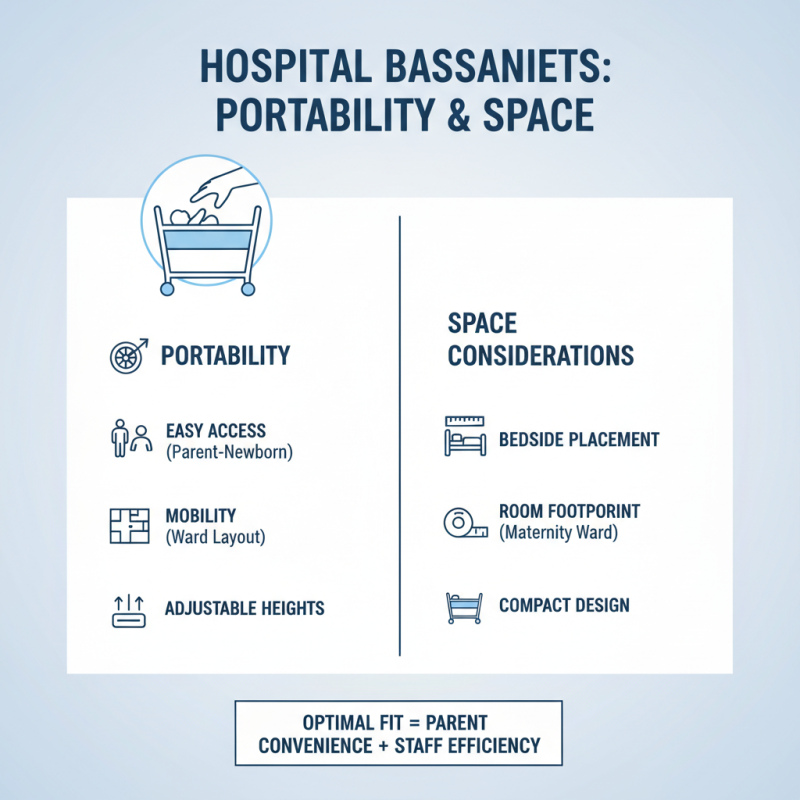
When selecting hospital bassinets, portability and space are crucial. A bedside bassinet allows parents easy access to their newborns. Consider the layout of the maternity ward. Is there enough room beside the patient bed? The right bassinet should fit comfortably in the available space.
Portability is not just about mobility; it's also about functionality. Some bassinets come with wheels, making them easier to move between rooms. Others are more stationary, providing extra stability. Weigh the pros and cons. If a bassinet is too heavy, it becomes impractical for daily use.
Space-saving designs are worth considering. Some bassinets can fold up for easy storage when not in use. However, always check if they meet safety standards. A bassinet that is compact but unsafe is counterproductive. Parents must feel at ease, knowing their baby is secure. The right balance between size and safety is essential for newborn care.