Top 10 Healthcare Equipment Solutions for Global Buyers?
In the ever-evolving landscape of healthcare, selecting the right healthcare equipment solutions is crucial for buyers worldwide. Hospitals and clinics require reliable tools to enhance patient care and operational efficiency. With an array of choices available, making an informed decision can become challenging. It is essential for global buyers to understand the specific needs of their healthcare systems.
Quality healthcare equipment solutions have the potential to improve treatment outcomes significantly. However, not all products meet the required standards. Buyers must navigate various factors, such as reliability and technological advancements, to ensure they select the best options available. Scrutinizing equipment features, alongside considering service and support, is vital in this process.
Moreover, real-world experiences often reveal that not everything on the market is as effective as advertised. Some equipment might promise high efficiency but fail in practice. Therefore, it’s essential for buyers to engage with experts and gather insights before making investments. By being discerning and conducting thorough research, buyers can avoid pitfalls and ensure the best healthcare equipment solutions for their organizations.
Overview of the Global Healthcare Equipment Market Trends
The global healthcare equipment market is undergoing significant transformation.
In 2022, the market was valued at approximately $450 billion. By 2030, it's projected to reach around
$750 billion, indicating a compound annual growth rate (CAGR) of 7%.
Factors driving this growth include an aging population, rising chronic diseases, and technological advancements.
Telemedicine and portable diagnostic equipment are gaining traction. A study shows that
70% of healthcare providers anticipate increasing telehealth services in the next five years.
This reflects changing patient preferences and the need for accessible care. Despite these advancements, challenges remain.
Not all regions have the infrastructure to support new technologies. Data from industry reports indicate that over
30% of healthcare facilities in developing countries lack essential equipment.
Moreover, sustainability is becoming increasingly important. A survey from 2023 noted that
65% of healthcare professionals prioritize eco-friendly equipment. However, the adoption rate of such technologies
varies significantly across regions. These nuances highlight the need for ongoing reflection and improvement in the healthcare equipment sector.
The market remains dynamic and requires careful navigation to meet evolving global demands.
Key Factors Influencing Buyer Decisions in Healthcare Equipment
In the healthcare equipment market, buyers face numerous challenges when making purchasing decisions. Key factors include cost, quality, and technological advancements. A report from Allied Market Research indicates that the global medical device market will reach $500 billion by 2025. This rapid growth emphasizes the importance of selecting the right equipment.
Cost considerations often dominate buyer decisions. A survey revealed that 75% of healthcare providers prioritize cost over brand loyalty. However, investing in high-quality equipment can lead to better patient outcomes and long-term savings. A recent study found that advanced imaging devices reduced diagnosis time by 40%. Yet, many buyers remain hesitant, weighed down by budget constraints.
Technological innovation plays a significant role. Many buyers seek devices that incorporate artificial intelligence or telehealth capabilities. Research from Frost & Sullivan shows that 70% of healthcare institutions are willing to adopt new technologies. However, integration challenges persist. Many systems are not compatible, leading to frustration and inefficiencies. This creates a critical need for solutions that bridge gaps in technology and usability while supporting overall healthcare objectives.
Top 10 Healthcare Equipment Solutions for Global Buyers
| Equipment Type | Key Features | Market Demand (Annual Growth %) | Buyer Decision Factors | Average Price ($) |
|---|---|---|---|---|
| Diagnostic Imaging | High resolution, portable, AI integration | 8% | Quality, Innovation, Support | 120,000 |
| Surgical Instruments | Durability, ergonomic design, precision | 6% | Cost-effectiveness, safety, brand reputation | 25,000 |
| Patient Monitors | Real-time data, wireless connectivity | 7% | Ease of use, accuracy, integration | 1,500 |
| IV Therapy Equipment | Compact, safety features | 5% | Safety, compliance, price | 250 |
| Anesthesia Machines | User-friendly interface, performance monitoring | 9% | Reliability, features, training | 30,000 |
| Rehabilitation Equipment | Adjustable, integrated technology | 4% | Comfort, effectiveness, warranty | 15,000 |
| Laboratory Equipment | Precision, automation | 8% | Precision, support, cost | 10,000 |
| Endoscopy Equipment | High-definition imaging, flexible designs | 10% | Innovations, training, certifications | 50,000 |
| Ultrasound Machines | High resolution, portable | 7% | Quality, support, price | 25,000 |
| Wearable Technology | Health monitoring, connectivity | 12% | Innovation, affordability, usability | 200 |
Top Healthcare Equipment Types: Features and Benefits
Healthcare equipment plays a crucial role in improving patient outcomes. Each type of equipment offers unique features and benefits. For instance, diagnostic imaging devices allow for efficient disease detection. They provide clear visuals for healthcare professionals, helping them make informed decisions.
Mobility aids enhance independence for patients. Wheelchairs and walkers enable those with limited mobility to navigate their surroundings. This promotes overall well-being and enhances quality of life. However, attention must be given to the design. Poorly designed aids may lead to discomfort or injuries.
Lastly, monitoring equipment like heart rate monitors plays a vital role in patient care. Continuous monitoring allows for timely interventions. Yet, reliance on these devices can create challenges. There is the risk of overdependence, which can overshadow the importance of clinical judgment. Balancing technology with human insight is key to effective healthcare.
Challenges Faced by Global Buyers in Sourcing Healthcare Equipment
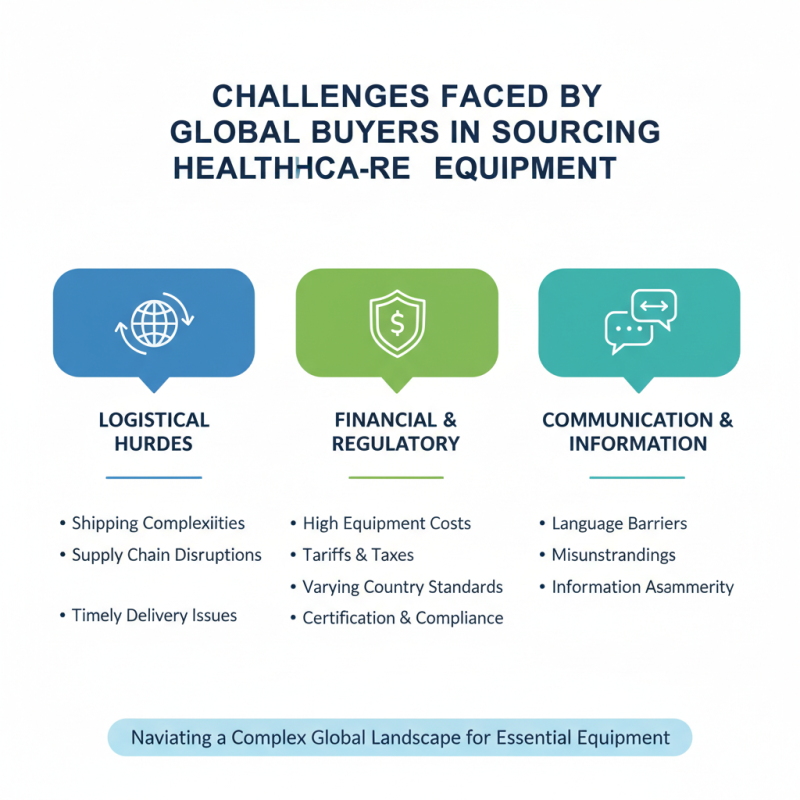
Sourcing healthcare equipment can be daunting for global buyers. They often encounter logistical challenges, high costs, and stringent regulations. These factors can complicate the purchasing process significantly. Buyers must navigate a complex landscape marked by varying standards across countries. Additionally, language barriers can create misunderstandings, leading to costly mistakes.
**Tip:** Establish clear communication channels with suppliers. This can help avoid confusion and ensure that everyone is on the same page.
Quality assurance is another hurdle. Verifying equipment standards can be time-consuming. Incompatible technologies can also disrupt supply chains. Many buyers overlook the importance of after-sales support. This can lead to difficulties when issues arise post-purchase.
**Tip:** Conduct thorough research on suppliers. Check reviews and ask for references before making big commitments.
Global buyers may also struggle with cost transparency. Hidden fees can inflate the final price. It’s essential to request detailed quotes. Some may find it hard to balance cost with quality. It’s a delicate dance that requires ongoing assessment and adjustment.
**Tip:** Be ready to renegotiate terms based on the evolving market landscape. Flexibility can provide advantageous outcomes.
Future Innovations and Developments in Healthcare Equipment Solutions
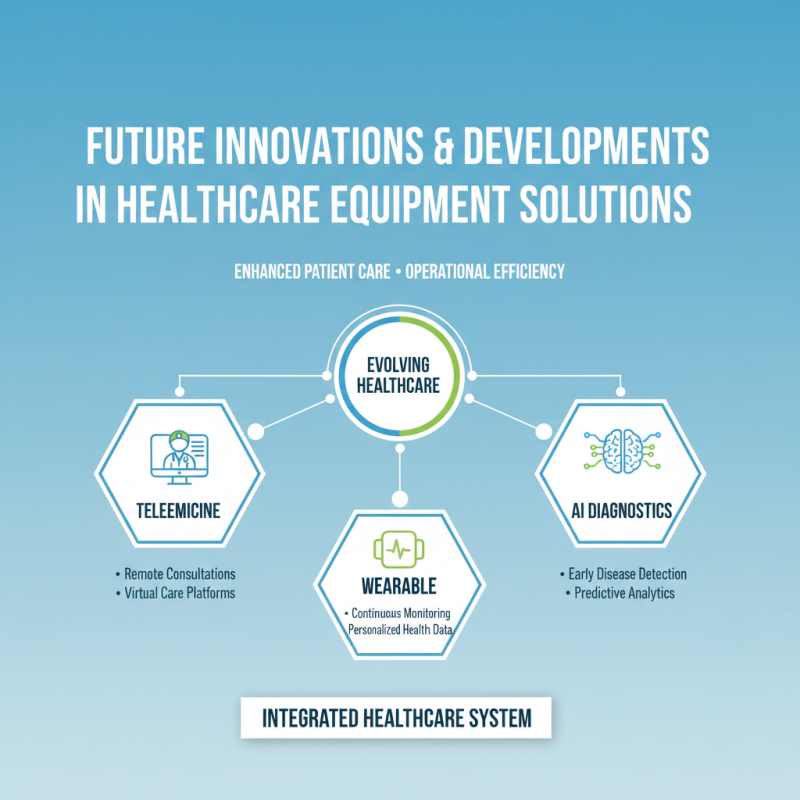
The future of healthcare equipment solutions is evolving rapidly. Emerging technologies promise to enhance patient care and operational efficiency. Innovations in telemedicine, wearable devices, and AI diagnostics are paving the way for a more integrated healthcare system.
Tips for buyers: Look for devices that offer real-time data. These devices can significantly improve decision-making in critical situations. Additionally, consider sustainability in equipment choices. Eco-friendly options are increasingly available and can reduce long-term costs.
The importance of user-friendly design cannot be overlooked. Equipment must be intuitive for both healthcare professionals and patients. A focus on usability can lead to better outcomes. Despite the advancements, ongoing training remains essential for staff. It's a reminder that technology alone cannot guarantee success.
Related Posts
-
China Top 10 Clinical Equipment Solutions for Healthcare Innovation?
-
What is Hospital Infrastructure Systems and How Do They Function?
-
Top Hospital Infrastructure Systems for Efficient Healthcare Delivery?
-

What is Patient Care Modules and How Do They Work?
-
2026 Best Labor and Delivery Equipment for Global Buyers?
-
What is Ozone Cleaning Systems and How Do They Work?