What Are the Best China Healthcare Architectural Products?
Choosing the best China healthcare architectural products requires more than comparing prices or polished catalog images. Hospitals demand coordinated performance, reliable documentation, and careful installation.
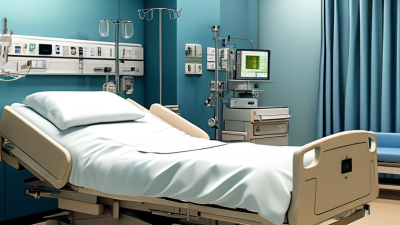
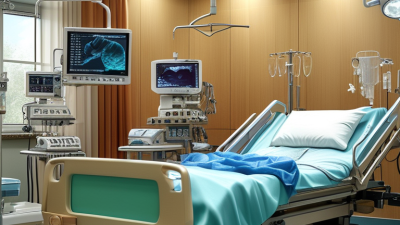
Healthcare architectural products may include hygienic wall panels, impact-resistant doors, medical partitions, anti-slip flooring, acoustic ceilings, nurse stations, handrails, and clinical cabinetry. Each product should support infection control, accessibility, fire safety, durability, and efficient maintenance. A well-designed wall system can reduce difficult cleaning around bed corridors. A properly sealed door can protect privacy while supporting frequent trolley movement. Small details matter.
Practical evaluation should begin with real hospital conditions. Consider humidity, disinfectant exposure, patient traffic, emergency access, and replacement procedures. Manufacturers with healthcare experience should provide test reports, material specifications, installation guidance, and traceable quality records. Independent verification is valuable, especially when claims involve fire resistance, antimicrobial performance, or low emissions. Local architects, infection-control teams, and facility managers should also review the product before approval.
No product wins every project. A premium surface may still fail if joints are poorly installed. A lower-cost option may perform better when maintenance teams understand it. This is where professional judgment becomes essential. Site visits, sample testing, and conversations with previous users can reveal weaknesses that brochures hide. Selection should also consider Chinese building requirements and the regulations of the project’s destination country. The strongest choices balance safety, appearance, lifecycle cost, and everyday usability. Results can vary. Good healthcare design remains an evidence-based process, not a simple ranking.
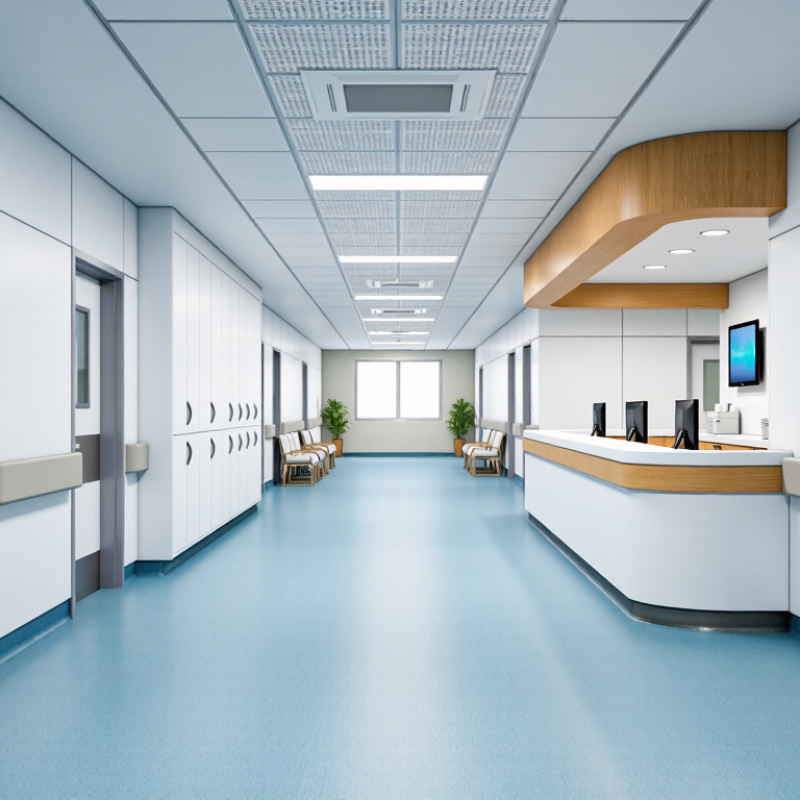
What Defines a Healthcare Architectural Product in China?
What defines a healthcare architectural product in China is not appearance alone. It is a tested building component designed for clinical safety, hygiene, movement, and maintenance. Typical examples include antimicrobial wall protection, seamless flooring, hygienic doors, handrails, ceiling systems, privacy screens, and fire-rated partitions.
China’s National Health Commission reported 38,355 hospitals in 2023. Total health expenditure reached approximately RMB 9.06 trillion, according to the 2023 China Health Statistics Bulletin. These figures indicate a large and demanding healthcare construction market. Products must support frequent cleaning, heavy trolley traffic, infection-control procedures, and long operating hours. They should also align with relevant Chinese fire, accessibility, and construction standards. A beautiful surface can still fail if joints collect dirt. That detail matters.
Tips:
Check cleanability first. Request test reports, fire classifications, and installation records. Ask how damaged sections are replaced. Review samples under harsh lighting. Small defects become obvious in patient corridors. No product is perfect. Even “antimicrobial” claims need careful verification, because performance depends on cleaning routines and installation quality.
China’s healthcare architectural products are strongest when design, engineering, and clinical use work together. Procurement teams should assess life-cycle cost, not only the purchase price. China Health Statistics Yearbook 2024 also reflects continuing demand for better hospital capacity and service quality. However, data alone cannot replace site observation. Designers should walk through busy wards, inspect corners, and speak with cleaning staff before selecting materials.
How Do Chinese Products Meet Safety and Hygiene Standards?
Healthcare architecture is judged at touchpoints:
door edges, wall joints, flooring seams, and sink surrounds. Chinese manufacturers increasingly design these products for cleanability, fire resistance, moisture control, and low emissions. Relevant requirements may include GB 50333 for clean medical buildings, GB 50016 for fire safety, and GB/T 18883 for indoor air quality. Export projects often add ISO, EN, or ASTM testing. That matters. A product may pass laboratory tests yet fail after poor installation. Procurement experience remains essential.
The WHO and UNICEF 2023 JMP report found that one in eleven healthcare facilities lacked basic water services in 2022.
Hygienic architectural products cannot replace water access. They can reduce contamination opportunities. Seamless surfaces, coved skirtings, sealed joints, and hands-free fittings simplify daily cleaning. The WHO Global Report on Infection Prevention and Control, published in 2022, notes that effective programs can reduce healthcare-associated infections by up to 70%. Chinese suppliers should provide batch traceability, fire reports, VOC data, cleaning instructions, and installation records. Ask for test scope, not only certificates. Antimicrobial coatings also deserve caution. Laboratory claims may not reflect repeated wiping or damaged surfaces. Mock-up testing should include cleaner compatibility, slip resistance, and maintenance feedback. The uncomfortable truth: low prices can hide future hygiene costs. Even excellent products need disciplined inspection.
Which Materials and Technologies Suit Different Medical Spaces?
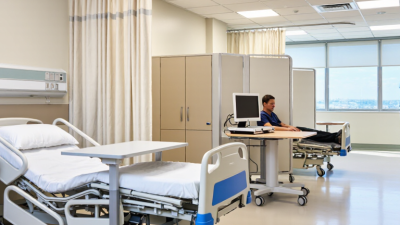
Choosing healthcare architectural products in China requires matching materials to each medical space, not following a single specification. Patient rooms need quiet, warm surfaces that tolerate frequent cleaning. Homogeneous vinyl flooring can reduce joints and simplify maintenance. For walls, compact laminate or coated panels offer impact resistance near beds and corridors. Yet, glossy finishes may create uncomfortable reflections under strong clinical lighting.
Operating rooms demand stricter control. Seamless, coved flooring helps limit dirt traps around equipment. Antistatic surfaces may support safer equipment management when properly designed and tested. Stainless steel suits scrub areas because it resists moisture and repeated disinfection. However, poor detailing around joints can still create hidden hygiene risks. Material certificates, fire ratings, slip resistance, and cleaning compatibility should be checked before approval.
Waiting areas need a different balance. Acoustic ceiling panels can soften announcements, while durable upholstery improves comfort during long visits. In children’s clinics, rounded edges and tactile wall protection reduce minor injuries. Digital room signs and sensor-based lighting can improve navigation and energy use. They also need simple controls and reliable maintenance access. Technology is not automatically better. A beautiful interface may confuse elderly visitors. I would test products with nurses, cleaners, patients, and maintenance staff before final selection. Small feedback often exposes major design weaknesses.
How Should Buyers Compare and Select Chinese Healthcare Products?
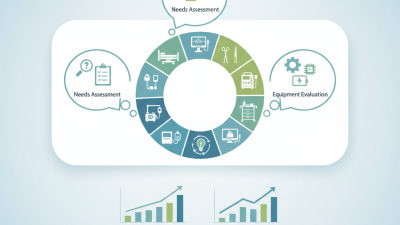
Buyers comparing Chinese healthcare architectural products should begin with clinical needs, not catalog images. A patient-room door, wall panel, or nurse station must support hygiene, safety, and daily workflow. Check surface resistance against disinfectants, sealed edges, fire performance, acoustic ratings, and impact strength. Ask for current test reports, material declarations, installation drawings, and maintenance instructions. Documents should identify testing bodies, standards, dates, and product versions.
Factory experience matters, but factory claims need verification. Request a video inspection or visit the production line. Review sample joints, corner details, hardware tolerances, and packaging protection. A sample may look excellent while the installed system fails at wall transitions. Measure lead times carefully. Confirm spare-part availability, replacement procedures, training, and response times in writing. Speak with healthcare contractors who have used similar products. Their comments often reveal cleaning problems that brochures hide.
Price still matters.
However, my early comparisons focused too heavily on unit cost. That approach ignored installation labor, damaged deliveries, and future repairs. Buyers should calculate the five-year cost, not only the purchase price. Ask whether local teams can install the system correctly and whether drawings suit regional building codes. A supplier that answers technical questions clearly is usually safer than one offering vague guarantees. Leave room for independent review; even a convincing sample can expose weaknesses after repeated cleaning, trolley impacts, and humid conditions.