Top 10 Healthcare Facility Design Trends for Global Buyers

Healthcare facility design is changing as global buyers seek safer, smarter, and more adaptable clinical environments. Hospitals, outpatient centers, and diagnostic clinics must support care quality while controlling long-term costs. A welcoming entrance, clear wayfinding, and daylight in patient rooms can influence daily experience. Small details matter.

This guide explores ten design trends shaping healthcare projects across regions. It considers infection prevention, flexible planning, energy efficiency, digital infrastructure, accessible circulation, and resilient materials. It also examines modular construction and technology-ready spaces. These choices require more than attractive renderings. Buyers should review clinical workflows, maintenance capacity, local building codes, and supply-chain conditions before approving a design.

Evidence should guide every decision. Architects, engineers, healthcare operators, and infection-control specialists can reveal risks that early drawings often hide. A beautiful lobby may fail if its surfaces are difficult to clean. A sophisticated monitoring system may underperform when staff lack training. No universal blueprint exists. That is worth remembering.

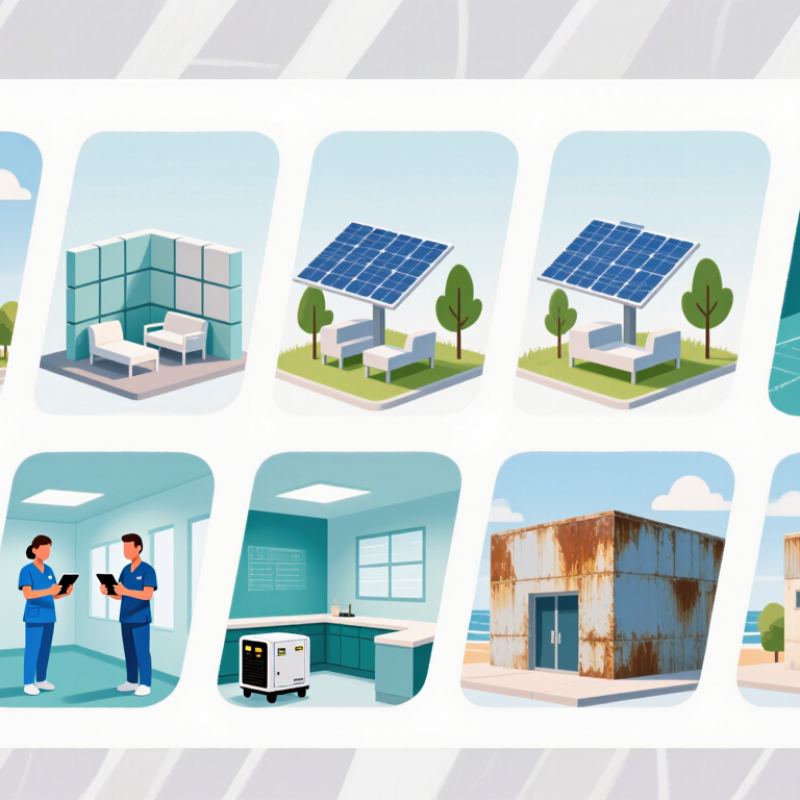
Reliable Healthcare facility design balances patient dignity, staff safety, operational efficiency, and future growth. Global buyers should compare lifecycle value, not only purchase price. They should request verifiable specifications, realistic installation plans, and documented performance claims. Regional climate also matters. A coastal clinic needs corrosion-resistant finishes, while a remote facility may require backup power and simplified repairs. The strongest trends are practical, measurable, and adaptable. Their success depends on thoughtful implementation, not fashion alone.
Top 10 Healthcare Facility Design Trends for Global Buyers

Healthcare Facility Design: Scope, Goals, and Global Market Context

Healthcare Facility Design: Scope, Goals, and Global Market Context

Healthcare facility design now extends beyond rooms, equipment, and attractive interiors. It includes patient flow, infection control, energy use, digital access, staff safety, and long-term adaptability. The World Health Organization and World Bank reported that 4.5 billion people lacked full access to essential health services in 2021. This gap changes the buyer’s brief. Facilities must support wider access without creating unaffordable operating costs.

The scope should begin with local demand, climate, regulations, workforce capacity, and future disease patterns. The United Nations World Population Prospects 2024 projects that one in six people worldwide will be over 65 by 2050. That shift increases demand for accessible entrances, clear wayfinding, rehabilitation areas, and flexible outpatient spaces. Small details matter. A shaded waiting area, washable wall surface, or short corridor can improve daily performance.

Resilience is also a design goal. WHO’s Global Patient Safety Action Plan 2021–2030 stresses safer systems, not isolated fixes. Buyers should therefore assess backup power, clean-air strategies, water security, and emergency separation. Yet not every high-tech investment works. Complex systems may fail when training or maintenance budgets are weak. That assumption deserves challenge. A practical design may outperform an advanced one when local teams can operate it reliably. Global buyers need measurable targets, transparent lifecycle costs, and room for future redesign.

Smart Infrastructure and Technology-Enabled Care Environments

Healthcare facilities are becoming connected care environments, not just buildings.

Smart infrastructure now links lighting, air quality, patient rooms, and clinical workflows. Sensors can detect temperature changes, water leaks, or unusual equipment movement. These signals support safer operations and faster maintenance.

For global buyers, interoperability should be a purchasing requirement.

Systems must exchange data through open, documented interfaces. Otherwise, an impressive dashboard may create another isolated system. Reliable networks need backup power, segmented access, and continuous monitoring. Cybersecurity also requires staff training, regular updates, and clear incident procedures. Local privacy laws and healthcare regulations must guide every deployment.

Patient rooms can include touch-free controls, digital wayfinding, and adjustable lighting.

These features may reduce confusion for older patients and visitors. But technology should not replace human attention. A poorly designed alert can disturb nurses throughout the night. That is a real design failure. Commissioning teams should test devices in busy, realistic conditions, including network outages and cleaning routines. Maintenance access matters too; a sensor hidden above a sealed ceiling may become expensive to repair. Buyers should request lifecycle costs, training plans, accessibility reviews, and measurable performance targets before approval.

Some smart projects still overpromise. Careful evaluation keeps innovation practical.

Sustainable, Resilient, and Resource-Efficient Healthcare Buildings

Healthcare facility design is moving toward buildings that protect patients while using fewer resources. Sustainable planning now begins with the local climate, not a standard template. Deep shading, controlled daylight, and high-performance insulation can reduce cooling loads. Quiet mechanical systems also improve recovery areas and staff comfort.

Resilience must be practical. Facilities need backup power, protected water storage, and flexible treatment spaces during extreme weather or supply delays. Heat recovery ventilation can reduce energy waste while supporting infection-control requirements. Low-flow fixtures and on-site water reuse may lower pressure on municipal systems. However, technology is not a complete solution. Poor maintenance can turn efficient equipment into an expensive weakness. No plan is perfect.

Tips: Ask suppliers for measured energy data, maintenance schedules, and replacement requirements. Test emergency systems under realistic occupancy conditions. Leave service access around pumps, filters, and electrical panels. Review material durability with local clinical and engineering teams. A slightly higher initial cost may prevent repeated repairs, but this depends on honest lifecycle calculations. Global buyers should compare performance across climate zones, staffing levels, and utility reliability. Small details matter, such as shaded waiting areas, washable surfaces, and clearly marked backup circuits. These choices can make a building calmer, safer, and more resource-efficient every day.

Patient-Centered, Flexible, and Inclusive Facility Planning

Top 10 Healthcare Facility Design Trends for Global Buyers

Patient-centered planning now shapes healthcare facilities worldwide. Patients need privacy, clear wayfinding, and spaces that reduce anxiety. A quiet consultation room can matter as much as advanced clinical equipment. Designers should place reception desks near entrances, use readable signs, and provide seating with armrests for older visitors.

Flexible planning supports changing medical services and unpredictable demand. Movable partitions, standardized room sizes, and accessible service routes allow facilities to adapt. Inclusive design must consider wheelchair users, children, caregivers, and patients with sensory sensitivities. Natural light, softer acoustics, and culturally appropriate waiting areas can improve daily experience. Local building codes and infection-control requirements still need careful review.

Tips: Map the patient journey before fixing room layouts. Test corridors with wheelchairs, beds, and supply carts. Leave space for future technology, but avoid designing around equipment that may become outdated. Consult local clinicians and community representatives early. Their practical feedback often reveals problems that drawings miss.

A useful facility is not always the most impressive one. It is easy to overdesign entrances and underfund staff work areas. That choice can create stress behind the scenes. Global buyers should compare lifecycle costs, maintenance access, energy use, and cleaning routines. A flexible plan may cost more initially, yet poor flexibility can become expensive later. Even experienced teams make assumptions. Review them openly.

Global Buyer Criteria for Evaluating and Implementing Design Trends

Global healthcare buyers are no longer choosing design trends by appearance alone. They assess clinical value, local safety rules, and long-term operating costs. A bright lobby means little if staff cannot guide patients quickly. Evaluation should begin with patient flow, infection-control needs, emergency access, and community expectations. Buyers should request drawings, maintenance assumptions, and evidence from comparable facilities. Evidence matters.

Flexible rooms are attractive because services change over time. Yet movable partitions, modular utilities, and digital systems require skilled maintenance. A buyer should test a sample room with nurses, engineers, cleaners, and patients. Their feedback can expose hidden problems, such as noisy doors or unreachable outlets. Energy-saving systems also deserve measured targets, not vague promises. Review water use, ventilation performance, replacement cycles, and training needs before approval. Small pilot areas can reveal failures without disrupting the whole facility. This approach costs time. It can prevent expensive redesign.

Accessibility must be tested in real conditions. Check signage from a wheelchair, lighting for older eyes, and waiting areas during peak hours. Local architects and clinical leaders add essential knowledge, especially where climate and care practices differ. Procurement teams should record decisions, risks, responsible parties, and inspection dates. Independent review improves reliability, but no checklist replaces site observation. Some trends will not fit every hospital. That is acceptable. A buyer may reject a fashionable feature when it complicates care, raises emissions, or weakens staff safety. Record that trade-off in the approval file, including who accepted the operational risk.