What Are the Top Ozone Cleaning Systems?
Choosing among the top Ozone cleaning systems requires more than comparing prices or headline output. Performance changes with water quality, airflow, contact time, temperature, and the target contaminant. A compact countertop unit may suit occasional water treatment, while a stainless-steel industrial system may require sensors, off-gas destruction, and trained operators. The best system is application-specific.
Dr. James R. Bolton, a recognized authority in advanced oxidation and ozone treatment, has stated, “Ozone is a powerful oxidant and disinfectant.” That short statement explains both its value and its limits. Ozone can break down odors, oxidize organic residues, and reduce many microorganisms when the process is properly controlled. It does not make every surface automatically safe. Testing matters.
This guide examines leading Ozone cleaning systems through measurable criteria. These include ozone concentration, flow stability, treatment capacity, material compatibility, monitoring, maintenance, and operating cost. A visible bubble stream can look impressive. It may still indicate poor mass transfer. That detail is easy to miss.
Reliable systems usually provide clear operating instructions, safety interlocks, leak detection, and documented performance data. Independent testing strengthens confidence, but certification alone cannot replace correct installation. I should also acknowledge an uncomfortable point: “top” is not permanent. A system praised in one facility may underperform elsewhere because the water chemistry differs. Practical results deserve more attention than marketing language. This comparison therefore focuses on evidence, real operating conditions, and the small design choices that often determine cleaning quality.
What Is an Ozone Cleaning System?
What Are the Top Ozone Cleaning Systems?
What Is an Ozone Cleaning System?
An ozone cleaning system uses ozone gas to reduce odors, bacteria, mold, and other organic contaminants. Ozone contains three oxygen atoms and reacts with unstable compounds on surfaces and in air. After the reaction, ozone gradually changes back into oxygen. However, it is not harmless during treatment.
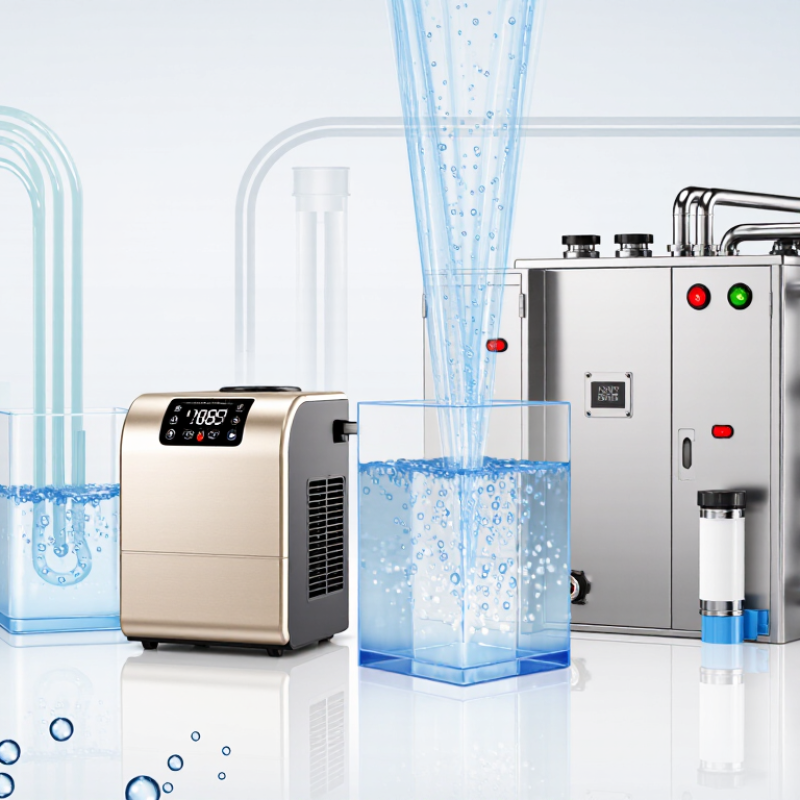
Common systems include enclosed cabinets, room units, and water-treatment devices. Enclosed cabinets suit small tools or equipment. Room units cover larger spaces, but their performance depends on room size, humidity, airflow, and treatment time. Water systems dissolve ozone into water for selected cleaning tasks. Professional users should check concentration with suitable monitoring equipment.
Never occupy a treatment area while ozone is operating. Keep people, pets, and plants away. Ventilate the space thoroughly, then confirm safe conditions before re-entry. Ozone can irritate the lungs, eyes, and throat. A sharp smell is not a reliable safety test.
Tips: Measure the room before choosing a system. Follow the operating instructions carefully. Remove sensitive rubber, fabrics, and electronics when appropriate. Inspect seals and tubing often. Use a timer, warning sign, and ozone monitor if available. Results can vary.
Ozone is useful, but it is not magic. Some materials may need physical washing, filtration, or repeated treatment. I would document each cycle, because memory is unreliable and odors can return.
How Ozone Cleaning Systems Work
An ozone cleaning system makes ozone (O3) from oxygen, commonly using electrical discharge or ultraviolet light. A fan or duct then carries the gas into an enclosed treatment area. Ozone oxidizes some odor-causing compounds and microorganisms, but performance depends on concentration, contact time, humidity, and how easily gas reaches surfaces. A shaded corner or tightly packed load may receive less exposure. That matters. EPA guidance cautions that ozone can also react with indoor chemicals and form irritating byproducts.
Operators typically clear the area during treatment, then allow ozone to break down or remove it with a destruction unit. A calibrated monitor helps verify conditions; smell is not a dependable safety test. OSHA’s air-contaminant table lists an eight-hour permissible exposure limit of 0.1 parts per million for ozone (29 CFR 1910.1000, Table Z-1). This is an occupational limit, not a target for cleaning performance.
In practice, results can vary across rooms, and cycle settings may need adjustment. That uncertainty deserves attention. More ozone is not automatically better, especially around rubber, fabrics, and other materials that may degrade.
Key Types of Ozone Cleaning Systems
What Are the Top Ozone Cleaning Systems?
Key Types of Ozone Cleaning Systems
Gas-phase ozone systems treat sealed rooms, chambers, and enclosed equipment. They work well when ozone must reach cracks, vents, and uneven surfaces. In controlled sanitation work, operators usually measure concentration, humidity, exposure time, and residual ozone. A room should remain unoccupied during treatment. It also needs ventilation and ozone destruction before entry. Distribution can be uneven. Corners and dry materials may receive less exposure.
Aqueous ozone systems dissolve ozone into water for washing hard surfaces, tools, and selected processing areas. They can reduce chemical residue and leave little lasting odor. Their performance depends on water temperature, contact time, organic soil, and dissolved ozone levels. Ozone disappears quickly, so the solution needs regular monitoring. Cold water often holds ozone better. Still, heavy dirt can consume it before cleaning is complete.
Hybrid systems combine gaseous ozone, aqueous application, airflow, or ultraviolet support. They suit facilities that need different treatment methods across separate zones. For example, a sealed cabinet may treat equipment while aqueous ozone cleans nearby work surfaces. These systems require interlocks, leak detection, documented procedures, and trained operators. Ozone is not a substitute for physical cleaning. That point is easy to overlook. Real-world results can vary, and operators should verify outcomes with validated testing rather than relying on odor or equipment displays.
How to Compare Ozone Cleaning Performance
What Are the Top Ozone Cleaning Systems?
Comparing ozone cleaning performance requires more than reading the generator’s output rating. Measure dissolved ozone, contact time, water temperature, and flow rate at the point of use. These values show whether the system delivers a repeatable treatment, not just a strong reading inside the machine.
The U.S. Environmental Protection Agency notes that ozone levels below public health limits may have limited cleaning effectiveness in air applications. This matters because a high generator rating does not prove surface decontamination.
For worker protection, OSHA sets an eight-hour ozone exposure limit of 0.1 ppm. A reliable system should include sealed chambers, off-gas destruction, alarms, and independent monitoring. Small details matter.
For water-based cleaning, compare concentration in milligrams per liter and exposure time. A useful performance record should include microbial test results, organic-load conditions, and the number of completed cycles. ISO 14937 recommends validating disinfection processes under defined, repeatable conditions. That supports a stronger comparison than marketing claims.
Look for evidence.
In practice, operators should test difficult surfaces, narrow channels, and shadowed areas. Ozone demand changes sharply with soil, temperature, and water chemistry. Some systems perform well in clean water but weaken when oils or proteins consume ozone. I have seen specifications focus on peak output while ignoring decay during circulation. That is an uncomfortable gap. Independent laboratory testing, calibrated sensors, and documented revalidation provide more dependable evidence than a single impressive number.
Safety Standards and Proper System Use
Ozone cleaning systems can reduce odors and microbial contamination, but safety depends on controlled operation. The United States Occupational Safety and Health Administration sets an ozone exposure limit of 0.1 parts per million over an eight-hour workday. The National Institute for Occupational Safety and Health lists 5 ppm as immediately dangerous to life or health. These figures show why occupied-room operation requires caution. Keep people, pets, and plants outside the treatment area. Use sealed doors, warning signs, and automatic shutdown interlocks. Never rely on smell as a safety test.
Tips: Measure before re-entry. Check sensors regularly. Ventilate thoroughly. Record every cycle, including exposure time and room conditions. A calibrated ozone monitor is more dependable than a timer alone. Residual ozone can remain in soft furnishings, rubber, and fabrics after the generator stops. The United States Environmental Protection Agency also warns that ozone can irritate the lungs and react with indoor chemicals, creating additional pollutants.
Proper use requires trained personnel and a written procedure. The system should match the room volume, surface materials, and ventilation design. NIOSH guidance supports engineering controls before personal protective equipment. That principle is practical here. PPE cannot make an occupied room safe during ozone release. A common weakness is poor sensor maintenance. Batteries fail, readings drift, and operators may assume the cycle finished safely. Recheck the atmosphere at breathing height, not only near the doorway. Better systems make mistakes harder, but human review still matters.
What Are the Top Ozone Cleaning Systems? - Safety Standards and Proper System Use
| System type | How it produces or uses ozone | Typical use | Proper use and key safeguards | Safety reference |
|---|---|---|---|---|
| Ultraviolet (UV) ozone generator | UV energy converts some oxygen molecules into ozone. | Specialized air or water treatment processes. | Use only in a designed, controlled process. Prevent exposure to UV radiation and ozone; provide suitable ventilation, access controls, and ozone monitoring where exposure is possible. | Follow applicable occupational exposure rules and the equipment instructions. |
| Corona-discharge ozone generator | A high-voltage electrical discharge converts oxygen into ozone, commonly for process-water treatment. | Industrial water treatment and other engineered treatment systems. | Operate in a properly designed system with leak control, ventilation, and an appropriate ozone-destruction stage for off-gas. Interlock equipment where practical and verify ozone levels before entry into controlled areas. | Use a documented risk assessment and comply with applicable workplace limits. |
| Electrolytic ozone system | An electrochemical cell generates ozone, generally for dissolution into water. | Specialized water-treatment applications. | Use only with compatible materials and a properly engineered water circuit. Control leaks and off-gassing, maintain electrical safeguards, and follow the manufacturer’s maintenance and operating procedures. | Apply relevant electrical, water-treatment, and occupational safety requirements. |
| Ozone contact system with off-gas destruction | Ozone is injected into a sealed contact vessel; residual gas is routed to a treatment unit that decomposes ozone. | Engineered water-treatment installations. | Keep the contact vessel enclosed, maintain the off-gas treatment unit, inspect seals and piping, and use alarms or interlocks appropriate to the site. Do not bypass safety controls. | Design, installation, and operation should be reviewed by qualified personnel. |
| Ozone monitoring and control system | Sensors measure ozone in air or process gas and can trigger alarms, ventilation, or shutdowns. | Supporting safety equipment for ozone-generating or ozone-using installations. | Select sensors for the expected range and environment. Calibrate and function-check them on schedule; place them based on a competent assessment of potential leak locations. A sensor does not replace containment or ventilation. | Use monitoring as part of a broader exposure-control program. |
| Exposure and operating notes: Ozone is a respiratory irritant and should not be deliberately generated in occupied spaces. In the United States, OSHA’s permissible exposure limit is 0.1 ppm as an 8-hour time-weighted average; NIOSH lists a recommended ceiling of 0.1 ppm and an IDLH concentration of 5 ppm. These values have different purposes and are not interchangeable. Requirements vary by jurisdiction. Follow applicable regulations, equipment instructions, and site-specific safety procedures; use qualified professionals for system design and commissioning. | ||||
Related Posts
-
China Best Headwall Accessories for Global Buyers?
-
What Are the Best Healthcare Equipment Solutions in China?
-

China Top 10 Clinical Equipment Solutions for Healthcare Innovation?
-

Best Hospital Construction Products in 2026 for Global Buyers?
-
Top Equipment Rail Systems of 2026 What to Know?
-
Why Is Labor and Delivery Equipment Important?