Top 10 Medical Equipment Supplies for Global Buyers: How to Evaluate Quality, Safety, and Regulatory Compliance
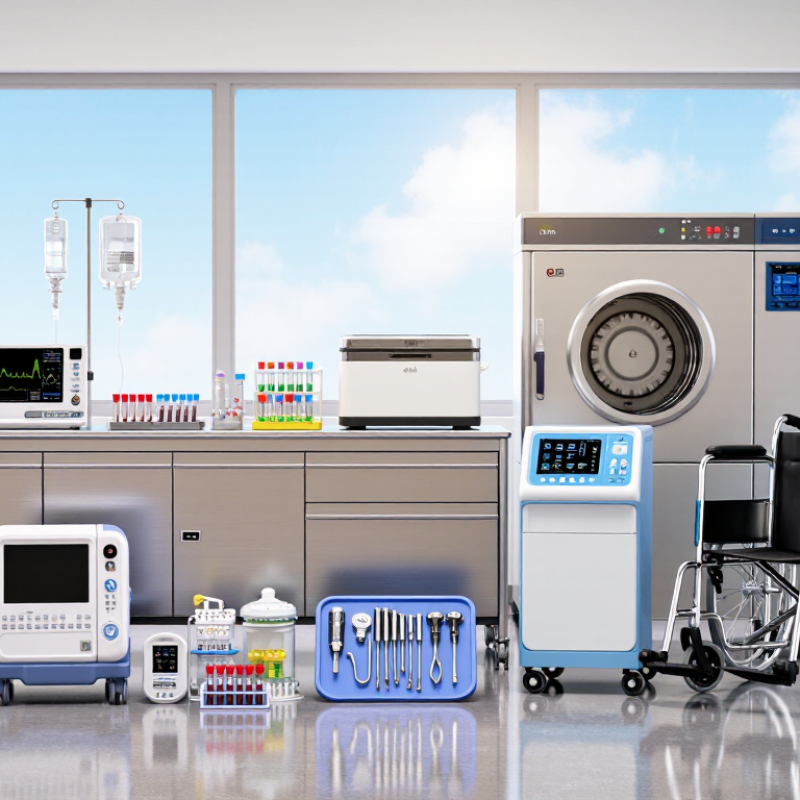
Global buyers often source patient monitors, infusion pumps, diagnostic devices, surgical instruments, oxygen equipment, sterilizers, examination tables, wheelchairs, laboratory analyzers, and protective supplies. Each category needs different evidence. A low price means little if the device lacks clear instructions, traceable parts, or dependable after-sales support.
Request the product specification, risk classification, test reports, and manufacturing records before purchase. Check whether the supplier maintains a quality system suitable for medical devices. Relevant evidence may include ISO 13485 certification, electrical safety testing under applicable IEC standards, and risk management documentation. Certification alone is not proof of consistent quality. Verify the certificate issuer, scope, expiry date, and listed manufacturing site.
Inspect samples before approving a large order. Examine seams, connectors, labels, alarms, packaging, and user controls. For powered equipment, confirm voltage, plug type, battery performance, and calibration requirements.
Record serial numbers and lot numbers during receiving inspection. Packaging should protect sterile or sensitive items from moisture, dust, and impact.
Regulatory approval is country-specific. Confirm local registration, authorized import responsibilities, language requirements, and post-market reporting duties. Do not assume approval in one market transfers elsewhere. A supplier may provide incomplete documents, and buyers sometimes overlook this under deadline pressure. That is a real weakness. Ask an independent regulatory professional to review unclear claims, especially when the device will support diagnosis, monitoring, or life-sustaining care.