
What Are Artistic Decorative Tiles?
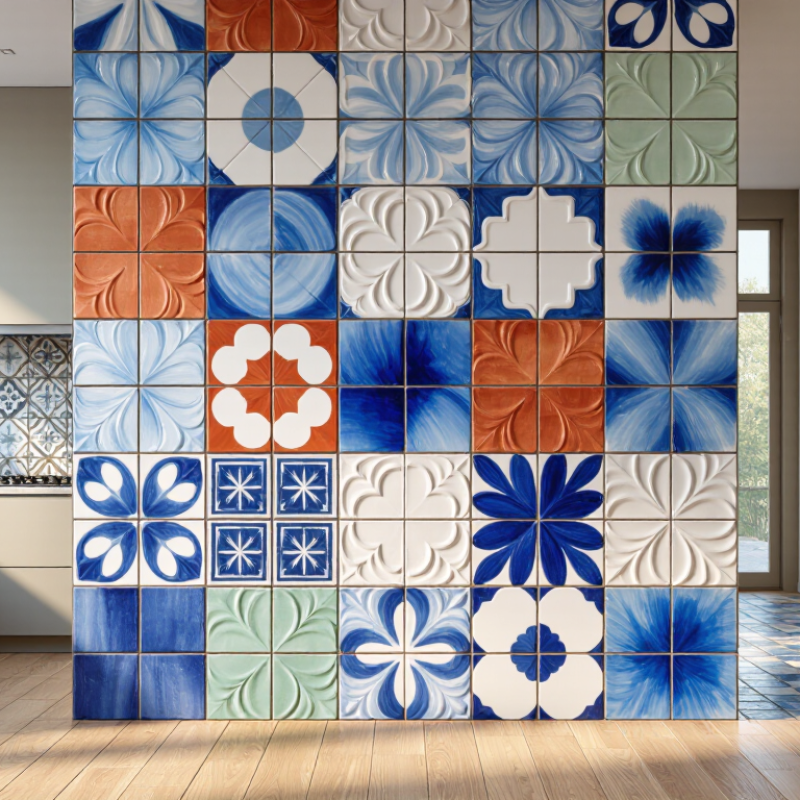
Artistic Decorative Tiles bring pattern, color, and texture into spaces that might otherwise feel plain. They can form a kitchen backsplash, frame a fireplace, or turn a small entryway into a focal point. Some are hand-painted; others use molded relief, layered glazes, or carefully arranged shapes. Their character often comes from subtle variation. A blue glaze may shift from pale at the edge to deep near the center.
William Morris, a designer associated with the Arts and Crafts movement, wrote, “Have nothing in your houses that you do not know to be useful, or believe to be beautiful.” His words offer a useful principle for choosing decorative tile: appearance matters, but so does purpose. A striking surface still needs to suit its location, cleaning needs, and expected wear. Beautiful, but practical.
This guide explains what Artistic Decorative Tiles are, how they are made, and where different styles work best. It also considers color, pattern, materials, installation, and care. A small sample can look different across a whole wall, especially under changing daylight. That is easy to underestimate. Not every handmade irregularity is a flaw, but not every variation will suit every room. Understanding those trade-offs helps homeowners and designers make informed choices—and leaves room to reconsider before a permanent installation.
Definition and Key Characteristics of Artistic Decorative Tiles
Artistic decorative tiles are ceramic, porcelain, glass, or stone pieces designed to make a surface visually distinctive. They may feature hand-painted motifs, raised textures, geometric patterns, or color changes created during firing. Their key characteristics include deliberate design, visible craftsmanship, and a finish suited to the tile’s location. A glossy mural tile can brighten a kitchen backsplash, while a textured piece may add depth to a fireplace surround. Artistic does not automatically mean durable; that distinction is easy to overlook.
The wider market offers useful context, though it is not a measure of decorative tiles alone. Grand View Research estimated the global ceramic tile market at USD 227.9 billion in 2023 and projected growth through 2030. This broad category includes many ordinary floor and wall tiles, so the figure should not be read as demand for artistic work specifically. For buyers and designers, it does underline how varied tile applications have become. Look closely at glaze consistency, edge quality, pattern alignment, and whether each tile is intended for wet or high-traffic areas.
Tips: Order a sample and view it in the actual room. Check it in daylight and evening light; colors can shift. Ask about slip resistance and care needs before choosing a finish.
Materials and Techniques Used in Their Production
Artistic decorative tiles begin with a clay body chosen for its color, texture, and firing range. Earthenware is relatively workable and often warm-toned, while porcelain can capture fine detail but needs careful handling. Some makers brush liquid clay, called slip, across the surface; others use mineral pigments or glaze. In a kiln, glaze ingredients melt into a glass-like layer. Colors may shift during firing. That uncertainty matters. A pale green test piece can emerge darker than expected, especially when glaze thickness varies.
Decoration depends on more than materials. Hand painting allows small changes in line and color, while carved patterns catch shadows along their edges. Stencils and raised clay details can create repeated motifs, though slight differences often remain. They can be appealing. Before production, makers commonly fire sample tiles to check color, surface, and fit. Kiln temperature, clay shrinkage, and glaze movement all affect the result. A thick glaze may pool in a carved groove; a thin one may leave the texture exposed. There is no perfect formula for every clay and kiln, so careful records help, even when a batch still surprises.
What Are Artistic Decorative Tiles? - Materials and Techniques Used in Their Production
| Tile Type | Main Materials | Common Production Techniques | Surface Decoration and Finish | Typical Characteristics |
|---|---|---|---|---|
| Hand-painted ceramic | Clay body, mineral-based pigments, and glaze | Clay is shaped, dried, and fired. Designs are painted by hand, then the tile is glazed and fired again. | Painted motifs beneath or on top of a transparent glaze; finishes may be glossy or matte. | Each tile can show small variations in color and brushwork. Often used for murals, borders, and feature areas. |
| Relief ceramic | Clay or ceramic body, with glaze or engobe where desired | Patterns are pressed into a mold or carved into the clay before firing. | Raised and recessed details create shadows; glaze can highlight the relief. | Provides visible texture and depth. The relief is part of the tile body rather than a printed image. |
| Porcelain decorative tile | Refined clay, feldspar, silica, and mineral colorants | Typically pressed into shape and fired at high temperatures; decorative designs may be printed, glazed, or applied before firing. | Available with glazed, polished, textured, or digitally printed surfaces. | Dense and generally low in water absorption when properly manufactured. Suitable for many interior and exterior settings, depending on its rating. |
| Glass mosaic | Colored glass, sometimes with mineral additives or reflective backing | Glass is melted, formed into small pieces, and cut or molded into tesserae; the pieces are mounted in sheets for installation. | Color is integral to the glass or applied as a backing; surfaces may be clear, opaque, iridescent, or textured. | Reflects and transmits light in distinctive ways. Small pieces help create detailed patterns and curves. |
| Encaustic cement tile | Portland cement, mineral pigments, sand, and aggregate | Pigmented cement is placed into a patterned mold, followed by a cement backing layer; tiles are hydraulically pressed and cured rather than kiln-fired. | The colored pattern forms a layer within the tile face; the surface is usually matte and may be sealed after installation. | Patterns are not simply printed on the surface. Cement tiles are porous and generally require appropriate sealing and maintenance. |
| Terracotta tile | Natural, iron-rich clay | Clay is shaped by hand, extrusion, or a mold, then dried and kiln-fired. | Often left unglazed for a natural, earthy appearance; it may also be glazed or surface-treated. | Typically warm in color and porous when unglazed. Appearance varies with the clay and firing conditions. |
| Natural stone mosaic | Stone such as marble, limestone, slate, or granite | Stone is cut, split, or tumbled into small pieces, then arranged in a pattern and mounted on mesh or another backing. | Finishes can include polished, honed, tumbled, or split-face textures. | Natural veining and color variation make each arrangement distinctive. Porosity and care requirements vary by stone type and finish. |
Design Styles, Patterns, and Cultural Influences
What Are Artistic Decorative Tiles?
Artistic decorative tiles turn walls and floors into patterned surfaces, shaped by craft, place, and personal taste. Geometric repeats create order; hand-painted flowers or uneven glazed squares feel more intimate. A cobalt border beside a plain cream field can make a small entryway feel considered, not crowded. The surface matters.
Cultural influences appear in distinct ways. Portuguese azulejo traditions are known for painted scenes and blue-and-white motifs, while Moroccan zellige often uses small, individually cut pieces to build complex geometry. These references deserve context. Copying a motif without understanding its origin can make thoughtful design feel superficial. Not decoration alone.
The market is broad: Grand View Research valued the global ceramic tiles market at US$227.8 billion in 2023 and forecast 7.4% annual growth from 2024 to 2030. That figure describes the market, not demand for any single style. For a practical choice, test a sample in the room’s actual light; glossy glaze can brighten a dim corner, but show marks. Grout changes the pattern, too. A narrow joint sharpens the grid, while a contrasting color can overpower delicate detail. There is no perfect rule.
Common Types of Artistic Decorative Tiles
Artistic decorative tiles bring color, texture, and a sense of craft to walls, floors, and fireplaces. Common types include hand-painted ceramic, encaustic cement, mosaic, and sculpted relief tiles. Each creates a different effect. A small hand-painted floral border feels intimate, while a broad geometric pattern can define an entire room.
Hand-painted tiles often show brush marks and slight variations, which give a surface warmth but make exact matching difficult. Encaustic tiles use colored cement layers rather than a surface glaze; their patterns feel matte and substantial. Mosaic tiles combine small pieces of glass, stone, or ceramic, making curves and detailed images easier to form. Relief tiles add raised shapes that catch side light. They look striking, though dust can collect in their grooves. Not every decorative tile is suitable for a wet floor, so check its finish and slip resistance before choosing.
Tips: Request a sample and view it in the room’s actual light. Check care instructions, grout needs, and surface suitability. Patterns can feel busier once installed. That surprised me.
What Are Artistic Decorative Tiles? — Common Types
Artistic decorative tiles add pattern, color, or texture to a surface. These examples compare commonly used tile formats by approximate module width; actual sizes vary by product and installation.
Mosaic tesserae are typically small units assembled into a larger design, while hand-painted, encaustic, relief, and geometric tiles are often available in larger formats.
Architectural and Interior Uses of Decorative Tiles
Artistic decorative tiles bring pattern, color, and texture into architecture. On exterior walls, they can mark an entrance or create a distinct feature around a courtyard. In kitchens and bathrooms, a tiled backsplash protects the wall while adding a focused area of detail. Choose materials suited to their location: outdoor tiles need to handle local weather, while floors require an appropriate slip-resistant finish.
Inside, decorative tiles can shape a room without covering every surface. A narrow border can frame a fireplace, and a patterned floor can guide movement through a hallway. Hand-painted or uneven tiles add character, though their differences may make alignment less exact. That can be part of their appeal, but it is worth checking a sample in the actual light. Grout color also changes the pattern’s appearance. Pale grout shows stains more readily in busy areas.
Tips: Confirm tile and grout suitability for the surface before installation. Use a sample board to test colors and layout. For wet floors, ask a qualified installer about slip resistance and drainage. Small details matter. Don’t skip them.
