Top Hospital Infrastructure Systems for Efficient Healthcare Delivery?
Efficient healthcare delivery relies heavily on advanced hospital infrastructure systems. Dr. Emily Roberts, a leading expert in healthcare technology, states, "The backbone of quality care is a well-structured hospital system." This underscores the importance of integrating modern facilities and equipment.
Hospital infrastructure systems encompass everything from emergency rooms to patient management software. A well-planned infrastructure can enhance patient flow and reduce waiting times. However, many hospitals still grapple with outdated systems that hinder efficiency.
Investing in modern infrastructure is vital yet challenging. Budget constraints often lead to compromises. As Dr. Roberts highlights, "Innovation is essential, but resources are limited." Creating a balance between innovation and practicality remains a significant hurdle for many healthcare providers. This ongoing struggle calls for continuous evaluation and improvement in hospital infrastructure systems.
Key Components of Hospital Infrastructure Systems
Efficient healthcare delivery relies on strong hospital infrastructure systems. Key components include technology, workflow design, and personnel management. These elements shape how hospitals operate.
Technology is crucial. Electronic health records streamline documentation. They help reduce errors and improve patient safety. Communication tools link staff, enabling quick decisions.
Tips: Invest in training for all team members. Technology is useless without proper use.
Workflow design influences patient flow. Effective layouts minimize wait times. Consider how departments interact. Physical placement matters. Disorganized systems can lead to delays and frustration.
Tips: Regularly review processes. Seek feedback from staff and patients alike.
Personnel management cannot be overlooked. Adequate staffing ensures quality care. However, staffing shortages remain a challenge. Hospitals must evaluate their hiring practices.
Tips: Monitor employee satisfaction. Happy staff deliver better care. Always look for ways to improve.
Role of Technology in Enhancing Healthcare Delivery
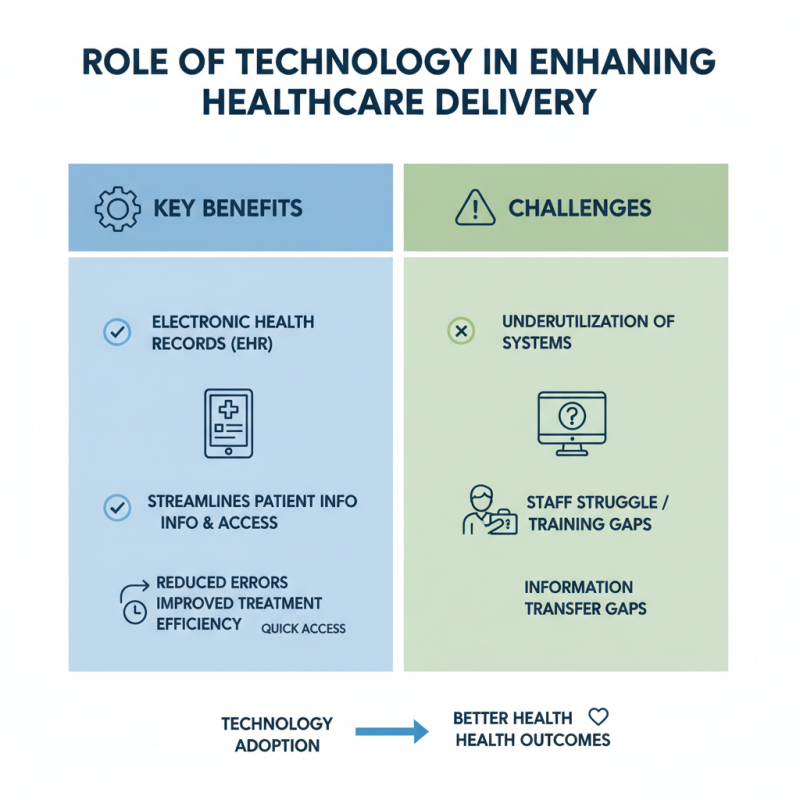
Technology plays a vital role in healthcare delivery today. Electronic health records streamline patient information management. These systems allow quick access to patient history, reducing errors and improving treatment efficiency. However, not all facilities fully utilize these systems. Some staff members may struggle with the technology, leading to gaps in information transfer.
Telemedicine also enhances healthcare delivery. It allows patients to consult with doctors remotely. This is especially beneficial in rural areas with limited access to specialists. Nonetheless, internet connectivity can be an issue. Patients may miss out on care due to poor access. Training for both providers and patients is essential to maximize these benefits.
Additionally, integrated hospital systems improve workflow and communication among staff. Real-time data sharing can help in critical situations, enabling quicker decisions. However, implementing these systems can be challenging. Resistance to change is common among staff. Continuous feedback and support can help ease this transition. It's important to recognize these hurdles as we strive for more efficient healthcare delivery.
Integration of Patient Management Systems in Hospital Operations
The integration of patient management systems is crucial for hospital operations. These systems streamline workflows and enhance patient care delivery. According to a recent report by the Healthcare Information and Management Systems Society, hospitals that implement these systems can see operational efficiency improve by 25%. However, many facilities still struggle with outdated processes.
Well-integrated patient management systems can reduce wait times. A study indicated that hospitals reduced average patient wait times by 20% post-implementation. This improvement allows medical staff to focus more on patient care and less on administrative tasks. Yet, some hospitals report resistance to adopting new technology. Staff training can be insufficient, leading to inconsistency in usage and ultimately impacting care.
Data also show that 30% of patients prefer online scheduling and follow-up systems. This trend highlights the need for hospitals to adapt. Despite the clear benefits, some healthcare institutions lag behind, hindering their ability to provide efficient care. Evaluating existing systems and investing in better technology can enhance patient interactions and staff satisfaction. The journey towards a fully integrated patient management system remains a work in progress.
Sustainable Practices in Hospital Infrastructure Development
Sustainable practices in hospital infrastructure development are crucial for efficient healthcare delivery. Hospitals consume vast energy and resources. Implementing green technologies can help reduce their environmental footprint. For instance, solar panels can power hospital facilities. Rainwater harvesting systems can provide irrigation for gardens. These practices not only benefit the environment but also reduce operational costs.
One way to promote sustainability is through the use of recycled materials in construction. Many hospitals overlook this aspect. Recycled steel and reclaimed wood can be durable and cost-effective. Moreover, hospitals should consider energy-efficient HVAC systems. Proper insulation can also enhance energy conservation.
Tip: Regular audits can help hospitals identify areas for improvement. Staff training on sustainability practices is essential. Engaging the community in sustainability initiatives can foster a culture of green practices. Reflect on current infrastructure. Are they truly sustainable? Examining these questions can lead to more effective hospital environments.
Top Hospital Infrastructure Systems for Efficient Healthcare Delivery
Assessing the Impact of Infrastructure on Patient Care Quality
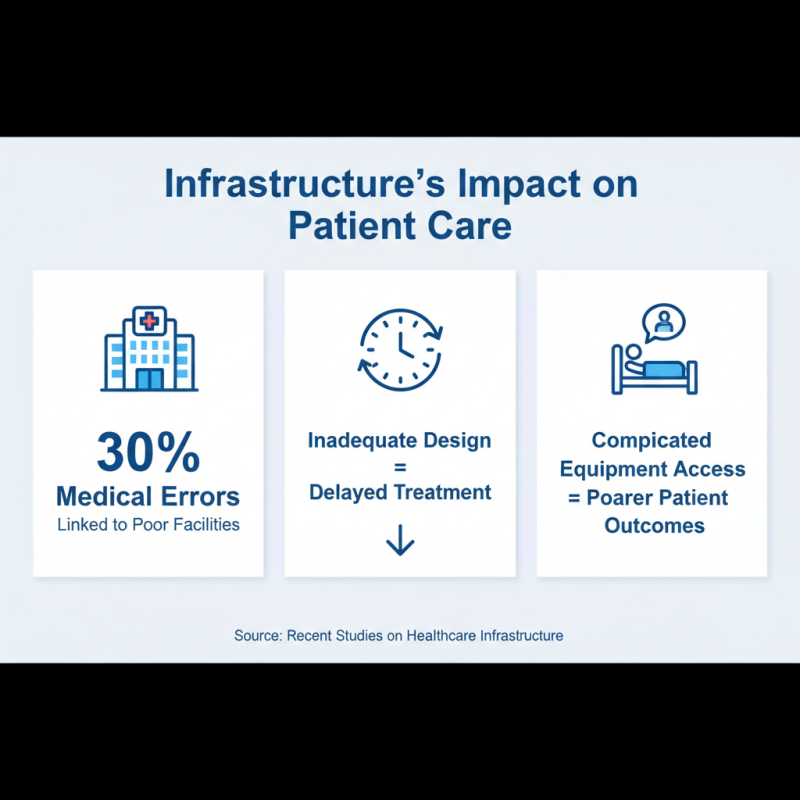
The infrastructure of a hospital plays a crucial role in patient care quality. Recent studies highlight that roughly 30% of medical errors are linked to inadequate facilities. Poor design can hinder workflow, causing delays in treatment. For example, if a hospital's layout complicates access to essential equipment, patient outcomes can suffer significantly.
Analysis from a leading industry report indicates that upgraded infrastructure can boost patient satisfaction by up to 40%. This is particularly evident in emergency rooms. The average wait time in a well-designed emergency department is 20 minutes less than in poorly structured ones. Such improvements are not just about comfort. They directly influence recovery rates, showcasing the connection between environment and health outcomes.
However, many hospitals struggle with outdated systems. A study found that nearly 60% of healthcare facilities have not modernized their infrastructure in over a decade. This raises questions about their ability to provide optimal care. Without investment in equipment and design, the gap in service quality will continue to widen. Addressing these shortcomings is essential but often overlooked in budget considerations.