How to Choose a Flanged Type Globe Valve?
Choosing a Flanged Type Globe Valve is a process decision, not a catalog exercise. The valve must control flow, tolerate pressure, manage temperature, and remain serviceable beside real equipment. Grand View Research estimates that the global industrial valves market reached approximately USD 78 billion in 2023, with demand supported by water, energy, chemical, and manufacturing projects. That growth increases choice, but it also increases selection mistakes.
Valve specialist Richard W. Greene offers a useful reminder: “Selection begins with the service, not the valve.” The principle is practical. A steam line at 16 bar needs different trim, packing, and body materials than a cooling-water line. A flanged connection also demands attention to flange rating, gasket design, bolt loading, face alignment, and maintenance clearance. Small details matter.
API 623 provides guidance for steel globe valves, while ASME B16.5 addresses flanges and flanged fittings. ISO 5208 supports pressure-testing evaluation. These references create a reliable technical baseline, but they do not replace field experience. Flow coefficient, pressure drop, cavitation risk, and actuator force still require engineering judgment.
The difficult part is often hidden. A valve may fit the pipeline yet perform poorly after commissioning. Oversizing can cause unstable control. Undersizing can create excessive velocity and noise. The “best” Flanged Type Globe Valve is therefore not always the largest, strongest, or cheapest option. It is the valve that matches the medium, operating cycle, piping standard, and maintenance reality. That answer can change. Recheck it before ordering.
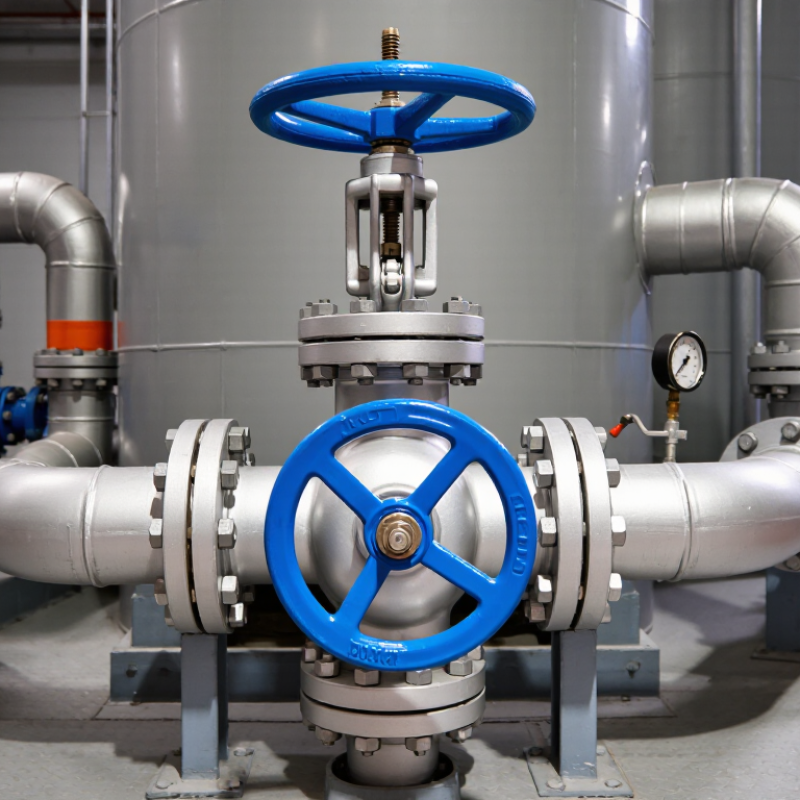
Understand the Function and Structure of a Flanged Globe Valve
How to Choose a Flanged Type Globe Valve?
A flanged globe valve regulates flow by moving a plug toward or away from a fixed seat. Its handwheel turns the stem, while the stem transfers movement to the plug. This structure creates accurate throttling and reduces sudden flow changes. It is useful for steam, water, oil, and other compatible fluids. Not for every service.
The valve body contains the inlet, outlet, seat, plug, and bonnet. A straight pattern keeps both ports aligned, which suits many horizontal pipelines. An angle pattern changes the flow direction by 90 degrees and can save an elbow.
Flanges connect the valve to the pipe with bolts and gaskets. Their rating, size, and facing must match the pipeline. Small details matter.
Selection should consider pressure, temperature, fluid properties, flow rate, and operating frequency. A stainless internal trim may resist corrosion, while hardened surfaces can improve wear resistance. For hot service, packing and gasket materials require careful review. During site checks, technicians should confirm flow direction and available maintenance space. A valve may look correctly specified and still be awkward to repair. Do not guess. Check the pressure drop, because excessive resistance can waste energy and reduce system performance. I have found that installation drawings sometimes overlook handwheel clearance. That mistake is easy to correct before purchase, but expensive after commissioning.
Define Pressure, Temperature, and Fluid Service Requirements
How to Choose a Flanged Type Globe Valve?
Define pressure, temperature, and fluid service before comparing valve sizes. Check the normal, minimum, and maximum pressure at the valve location. Include startup and shutdown conditions. A valve rated only for normal pressure may fail during a pressure surge. Temperature also affects the body, trim, gasket, bolting, and packing. Steam at 250°C needs different materials than cooling water at 30°C. Always compare the actual operating range with the valve’s pressure-temperature rating.
Fluid behavior matters just as much. Clean water, saturated steam, corrosive chemicals, and fluids containing solids create different selection risks. Confirm the fluid’s concentration, viscosity, toxicity, and possible flashing or cavitation. Then calculate the required flow coefficient instead of matching the valve to pipe size alone. An oversized globe valve may operate near its seat, causing unstable control and unnecessary wear. An undersized valve can create excessive pressure loss. This is often overlooked.
Tips: Record real operating data from the piping diagram and field instruments. Ask whether the fluid changes temperature or composition. Check gasket compatibility and select an appropriate trim material. Review shutoff requirements and actuator loads. A practical selection sheet should show pressure, temperature, flow rate, fluid composition, flange rating, and test requirements. Do not rely on a familiar specification without checking it again. A neat selection can still be wrong.
Select the Suitable Valve Body and Flange Materials
How to Choose a Flanged Type Globe Valve?
Selecting the valve body and flange materials requires more than matching pipe size. The medium, temperature, pressure, and corrosion risk must be reviewed together. Carbon steel suits many steam and water services, while stainless steel offers better resistance to chlorides and chemical fluids. For severe conditions, alloy materials may be justified, but their higher cost needs lifecycle evidence.
The NACE IMPACT study reported that corrosion costs about 2.5 trillion US dollars annually, equal to nearly 3.4% of global GDP.
This figure explains why material selection deserves engineering attention. A carbon-steel body with a stainless flange can create galvanic concerns in wet service. Therefore, the valve body, flange, bolts, and gasket should be assessed as one pressure boundary. ASME B16.5 pressure-temperature ratings must also match the selected flange class and operating conditions. A rating that looks adequate at room temperature may be unsuitable at elevated temperature.
Tips:
Confirm the fluid chemistry, chloride level, operating temperature, and pressure before choosing materials. Check the pipe material and flange facing. Avoid mixing materials without corrosion review. In field inspections, small flange leaks often begin with poor gasket selection or uneven bolt loading. That detail is easy to overlook. It should not be. A practical review may also compare purchase price, inspection needs, replacement frequency, and downtime. The cheapest valve is not always the least expensive choice. Sometimes, the better decision becomes clear only after the first maintenance cycle.
Verify Standards, Installation Needs, and Maintenance Access
Choosing a flanged globe valve starts with standards, not catalogue photos. Confirm ASME B16.34 for pressure-temperature ratings and ASME B16.5 for flange dimensions. API 598 or ISO 5208 should define inspection and pressure testing. The selected class must match the actual temperature, pressure, fluid, and design code. A small mismatch can create leakage, rework, or unsafe isolation. I have seen projects specify the valve correctly, then overlook the mating flange rating.
Installation conditions deserve equal attention. Check the flow arrow and keep the stem orientation practical for operation. Leave enough space to remove the bonnet, packing, and disc. A valve boxed tightly against a pipe rack may work today, but maintenance becomes expensive tomorrow. The U.S. Department of Energy reports that compressed-air leaks can waste 20–30% of compressor output. This figure is not globe-valve specific, yet it shows why accessible leak checks matter. Similar losses can develop around poorly maintained process valves.
Tips: Measure face-to-face dimensions before ordering. Mark the bolt-hole pattern. Provide lifting support for large valves. Keep the handwheel visible. During commissioning, record test pressure, duration, and leakage results. Review packing condition after thermal cycling. Do not assume a passing factory test guarantees field performance. That assumption needs challenging. A maintenance plan should also identify isolation points, drain locations, and safe access platforms. Difficult access is often the hidden cost.
