10 Essential Tips for Choosing Labor and Delivery Equipment
Choosing the right labor and delivery equipment is crucial for healthcare facilities. Dr. Emily Carter, a renowned expert in maternal-fetal medicine, states, “The right equipment can make all the difference in ensuring a safe delivery.” In today’s fast-paced medical environment, selecting suitable tools greatly impacts patient care.
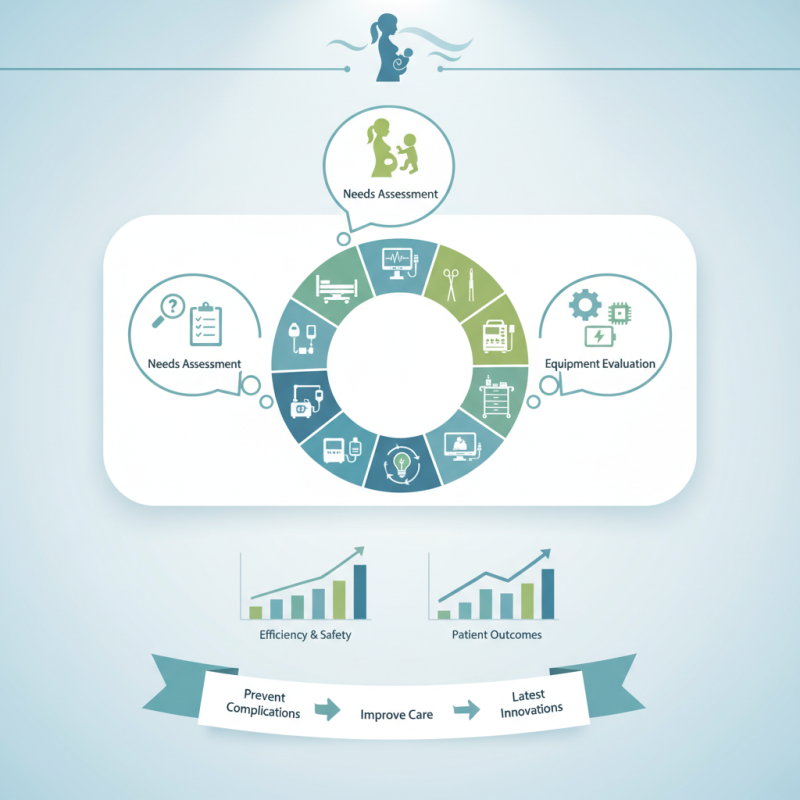
Effective labor and delivery equipment enhances both efficiency and safety. From delivery beds to fetal monitors, every piece plays a vital role. Investing in high-quality equipment can prevent complications and improve outcomes. Inevitably, choosing these tools requires careful consideration. It’s a complex process that demands expertise and insight. Making decisions based on limited information can lead to regrettable outcomes.
Understanding the needs of your facility is essential. Evaluating equipment performance, durability, and technology should guide your choices. As healthcare evolves, so do expectations for labor and delivery equipment. Staying informed about the latest innovations can revolutionize care delivery. Finding the right balance between advanced features and user-friendliness is often challenging. Thoughtful reflection on past equipment choices can shape better future decisions.
Understanding the Importance of Labor and Delivery Equipment Selection
Choosing the right labor and delivery equipment is crucial. Each piece of equipment can significantly impact the birthing experience. A well-thought-out selection can enhance safety and comfort for both the mother and baby. Understanding this importance is the first step towards effective decision-making.
When selecting equipment, consider user-friendliness. Equipment should be easy to operate. Complicated machinery can create stress during critical moments. Training staff on equipment can prevent mishaps. Encouraging feedback from users can further refine choices.
Also, consider durability. Equipment needs to withstand frequent use. If it fails, it could endanger lives. It's essential to check warranties and repair options. Remember, investing in quality equipment pays off in the long run. And don't shy away from seeking expert opinions when in doubt. Engaging with healthcare professionals can provide invaluable insights based on real experiences.
Key Features to Consider in Labor and Delivery Equipment
When choosing labor and delivery equipment, key features can significantly impact the experience for both the birthing person and healthcare providers.
One critical aspect is versatility. Equipment should easily adapt to various delivery methods, whether natural or assisted. Look for adjustable beds that adjust height to assist with different positions.
Sturdy support bars can also enhance comfort and safety during labor.
Another vital feature is accessibility. Equipment should be easy to operate, even in urgent situations.
Consider the layout of the room. Essential tools and monitors should be within arm's reach, reducing unnecessary movement.
This accessibility is vital in maintaining a calm environment.
Furthermore, durability plays a major role. Equipment endures wear and tear during multiple deliveries.
It’s important to invest in items made from high-quality materials. However, not all expensive items guarantee reliability.
Periodic reviews and updates can ensure the equipment maintains its functionality and meets current standards.
Balancing cost and effectiveness can often be a challenging task. Reflect on which features are truly essential for your needs.
Evaluating Safety Standards for Labor and Delivery Tools
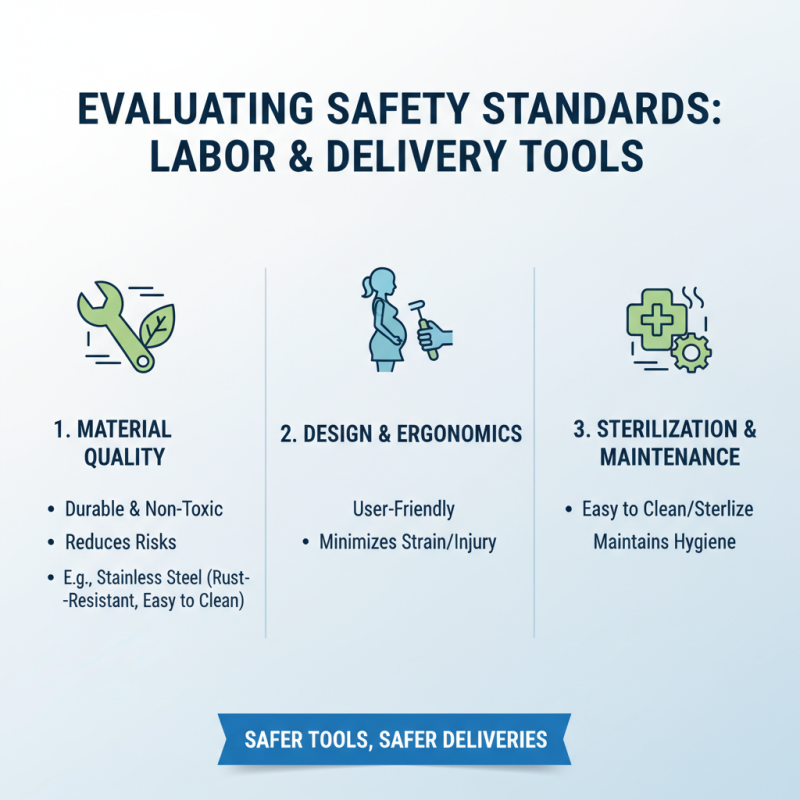
When evaluating safety standards for labor and delivery tools, several key factors come into play. First, you should check the material quality. Equipment made from durable and non-toxic materials is essential. This reduces risks during use. For example, stainless steel is often preferred for its rust resistance and ease of cleaning.
Next, consider the design of each tool. Ergonomically designed equipment enhances usability and minimizes the risk of injury. Look for items with smooth edges and intuitive grips. They may seem simple, but these details can significantly influence safety during critical moments.
Finally, assess the compliance of your tools with international safety standards. This involves checking for certifications and approvals from relevant authorities. Often, manufacturers provide documentation that verifies their adherence to safety guidelines. Be cautious; not every product meets these essential criteria. Thus, investing time in this evaluation ensures the health and safety of both patients and healthcare providers.
Budgeting for Essential Labor and Delivery Equipment Purchases
Budgeting for essential labor and delivery equipment is a critical step for healthcare facilities. Start by assessing the specific needs of your department. Consider the volume of patients you handle and the types of deliveries. A well-defined budget allows for smarter purchasing decisions.
Calculate the costs of necessary items. Essential equipment may include delivery beds, fetal monitors, and resuscitation tools. Prioritize these according to necessity and impact on patient care. Be aware that costs can vary significantly. Research various options to ensure you’re getting the best value for your money.
It's also wise to set aside funds for ongoing maintenance and upgrades. Equipment can wear down over time, and budget constraints may lead to tough choices. You might find that certain items require more frequent servicing than anticipated. A proactive budget can help mitigate these surprises. Planning for both immediate and future equipment needs is essential for maintaining high-quality care in labor and delivery settings.
10 Essential Tips for Choosing Labor and Delivery Equipment
| Equipment |
Essential Features |
Budget Range |
Considerations |
| Fetal Monitors |
Continuous monitoring, wireless options |
$2,000 - $5,000 |
User-friendly interface, data accuracy |
| Delivery Beds |
Adjustable height, ergonomic design |
$3,000 - $10,000 |
Ease of cleaning, durability |
| Infant Warmer |
Temperature control, portability |
$1,500 - $4,000 |
Energy efficiency, monitoring capabilities |
| Suction Machines |
Reliable suction, easy to operate |
$500 - $2,500 |
Portability and maintenance |
| Delivery Instruments |
Durability, variety of options |
$200 - $1,000 |
Quality materials, ease of sterilization |
Training and Support: Ensuring Effective Use of Equipment
Training and support are critical components for effective use of labor and delivery equipment. Without proper training, even the best equipment can become ineffective. Healthcare professionals must understand each piece of equipment's functionality. A hands-on training program can enhance their confidence and skills. Interactive workshops can provide real-life scenarios that aid learning.
Support doesn't stop after the initial training. Ongoing education is essential. Regular refresher courses can help staff stay updated on best practices. Mentorship programs can also be beneficial. Pairing less experienced staff with veterans fosters a culture of continuous improvement. It allows for open discussions about challenges and solutions in using the equipment effectively.
Equipment should be regularly evaluated for usability. Staff feedback is vital in this process. Sometimes, chosen equipment may not meet the team’s needs in practice. Review sessions can highlight these discrepancies. This reflection creates opportunities for adjustments or even equipment replacement, ensuring better outcomes for patients and staff alike.
Labor and Delivery Equipment Training and Support